Winter Plumbing Tips: Protect Your Pipes from Freezing in OH
HG
Understanding the Risks of Freezing Pipes
Winter in Ohio can be harsh, with temperatures often dipping well below freezing. This cold weather poses a significant risk to your home’s plumbing system. When water freezes inside pipes, it expands, which can lead to bursting. A burst pipe can cause extensive water damage, leading to costly repairs.
Being proactive and taking steps to protect your pipes from freezing is essential. With some simple precautions, you can ensure your plumbing system remains intact throughout the winter months.
Insulate Your Pipes
Insulating your pipes is one of the most effective ways to prevent them from freezing. Focus on pipes located in unheated areas like basements, attics, and garages. You can use foam rubber or fiberglass sleeves to insulate exposed pipes. This simple step can make a significant difference in maintaining the proper temperature of your plumbing system.
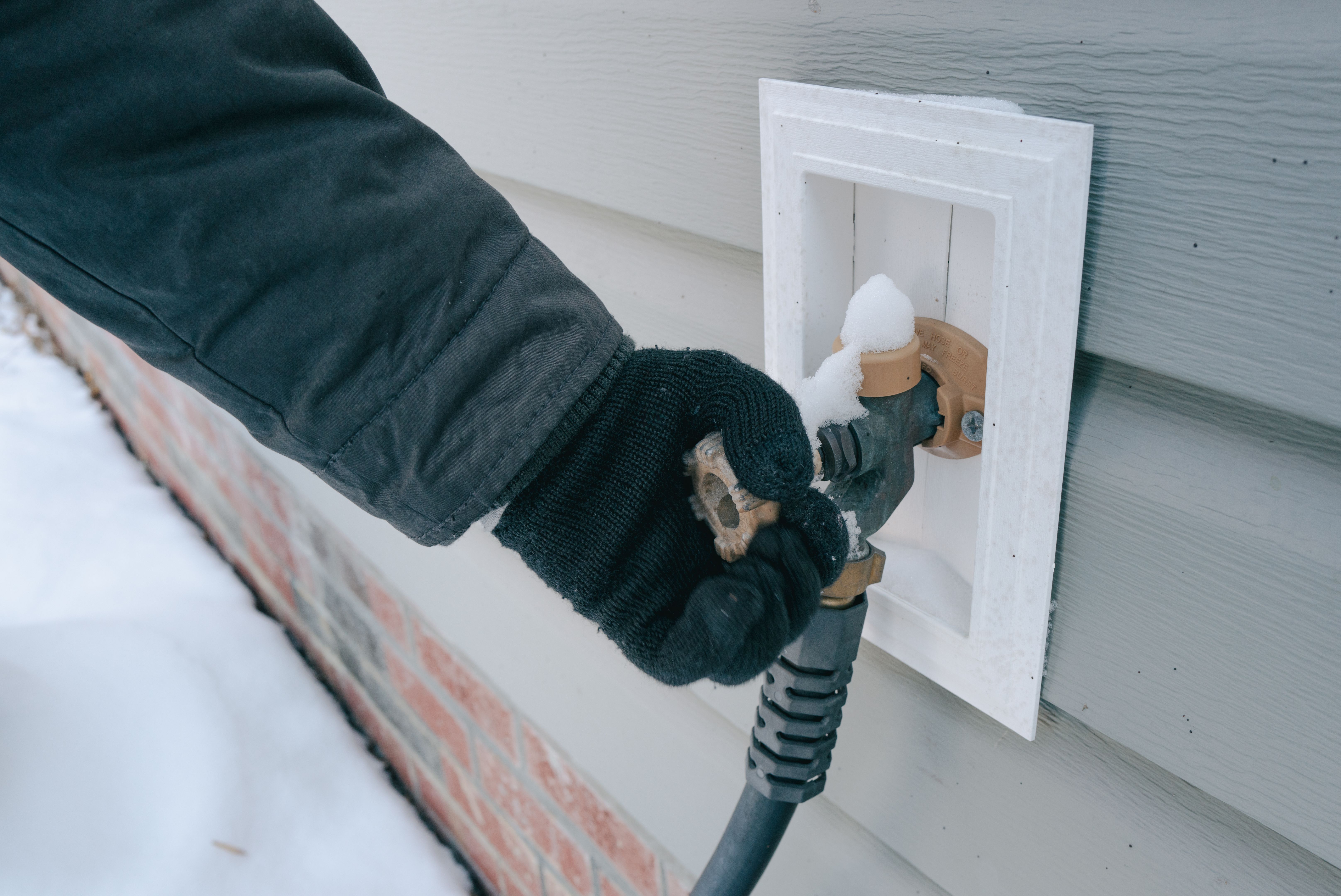
Don’t forget about outdoor faucets and hoses. Disconnect any hoses and store them indoors. Cover outdoor faucets with insulated caps to prevent exposure to the cold.
Keep a Consistent Temperature
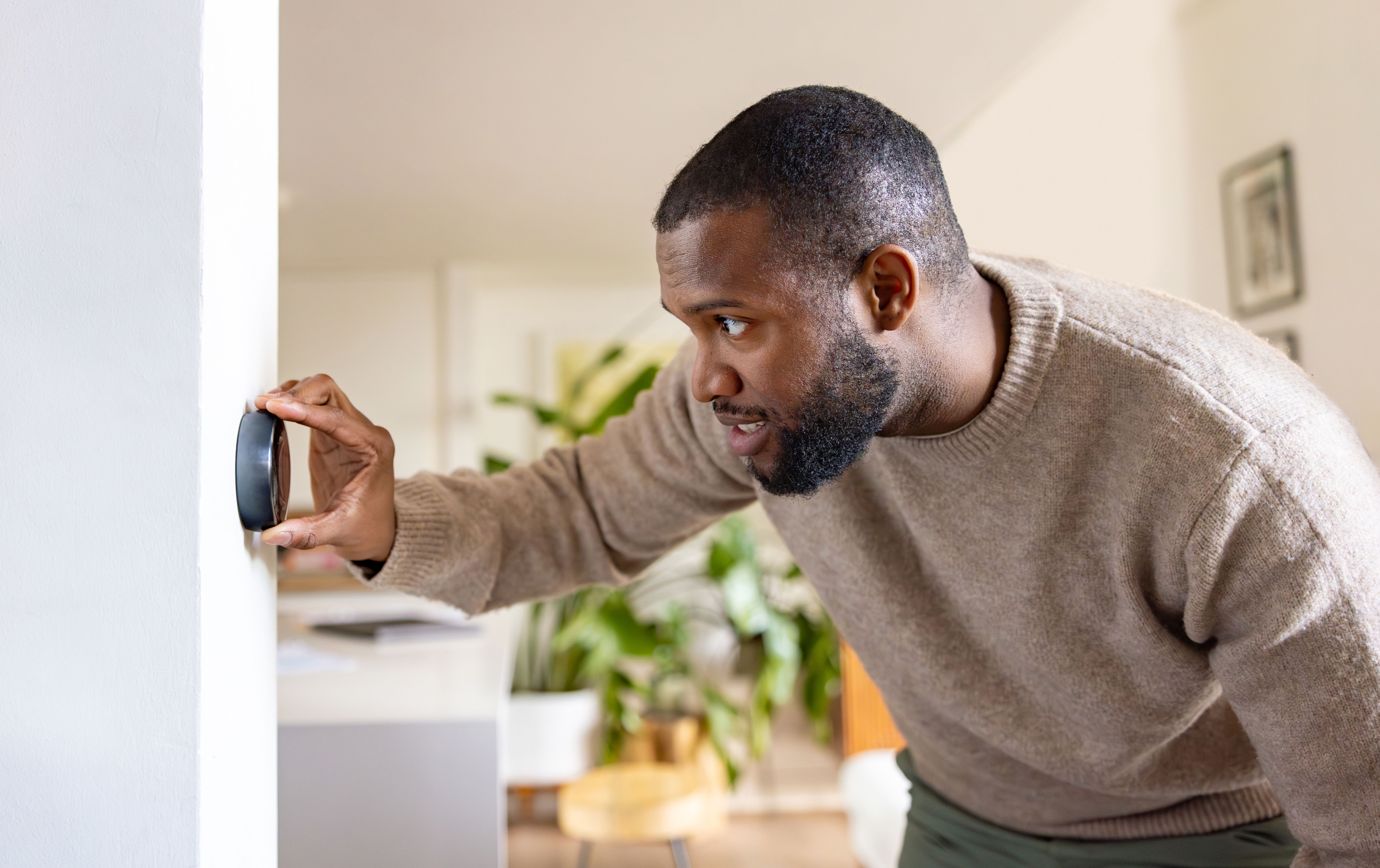
Maintaining a consistent indoor temperature is crucial during the winter. While it might be tempting to lower the thermostat to save on heating bills, keeping your home warm enough can prevent pipes from freezing. Set your thermostat to at least 55°F, even when you’re away from home.
Additionally, consider opening cabinet doors under sinks to allow warm air to circulate around the pipes. This is especially important for sinks located on exterior walls, where the temperature can be significantly cooler.
Let Faucets Drip
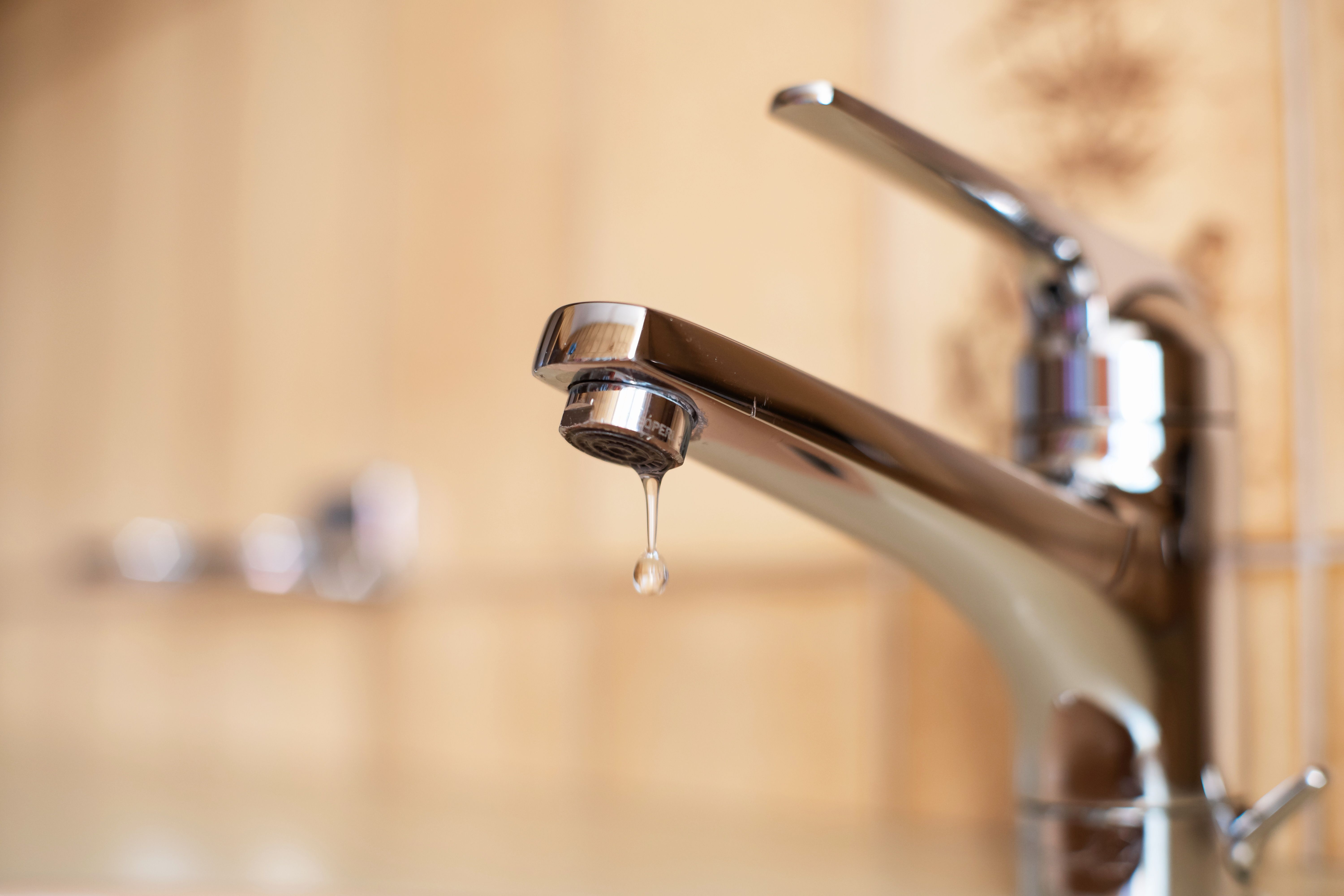
On particularly cold nights, let your faucets drip slightly. This can relieve pressure in the pipes and help prevent them from bursting. Even a small trickle of water can be enough to keep pipes from freezing.
Focus on faucets connected to exposed pipes. Running water through the system, even at a trickle, helps prevent ice formation.
Seal Cracks and Gaps
Cold air entering through cracks and gaps can quickly freeze pipes. Inspect your home for any areas where cold air can penetrate, such as around windows, doors, and vents. Use caulking or weatherstripping to seal these gaps and keep the cold air out.
Pay special attention to areas where pipes enter the home. Sealing these spaces can provide an extra layer of protection against freezing temperatures.
What to Do if Your Pipes Freeze
If you suspect that your pipes have frozen, act quickly. Turn off the main water supply to prevent further damage. Use a hairdryer or space heater to thaw the pipes gently, starting from the faucet and working back toward the frozen area.
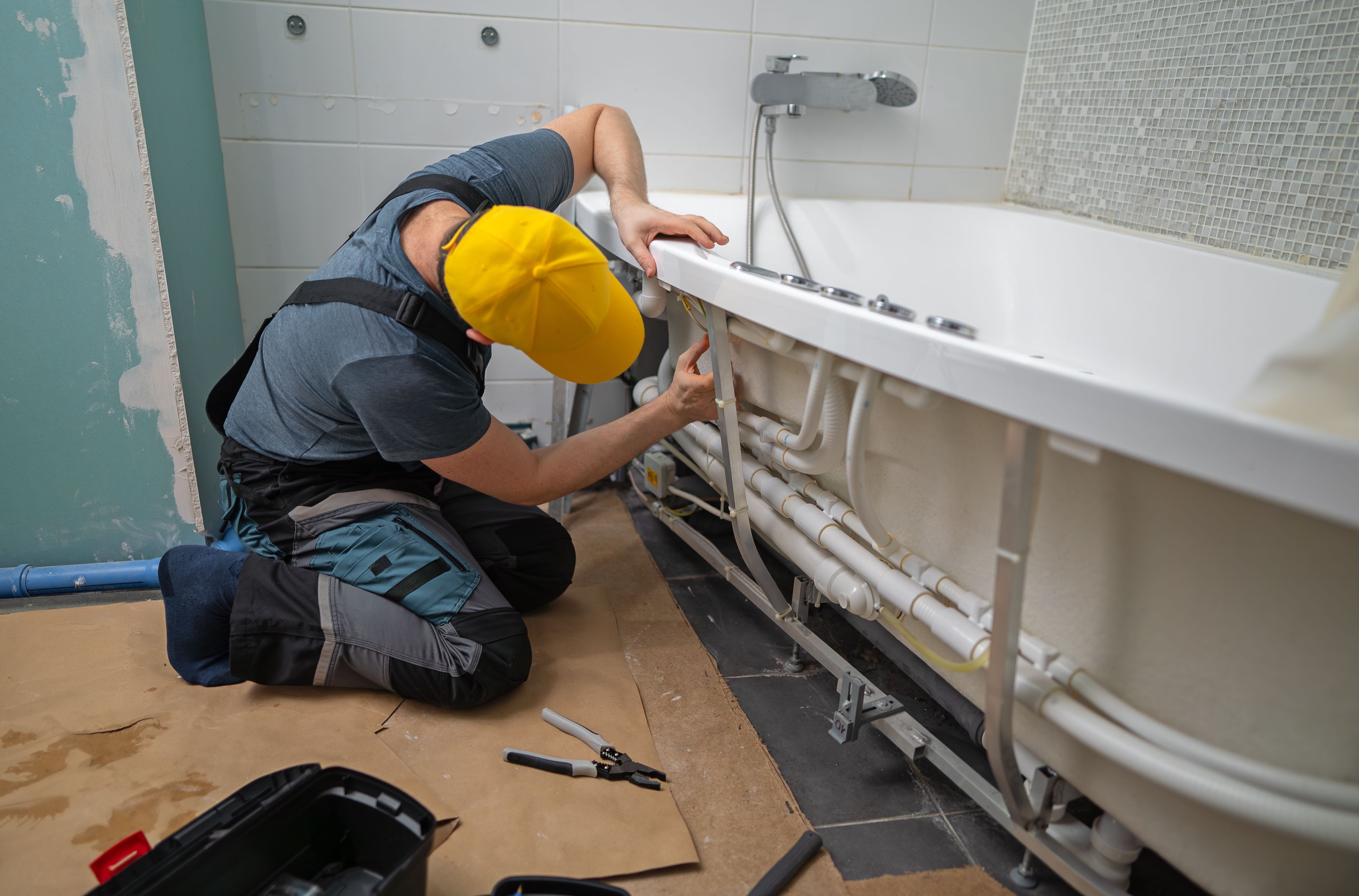
Avoid using open flames or high-heat devices, as they can damage the pipes. If you’re unable to locate or thaw the frozen section, it may be time to call a professional plumber.
Long-Term Solutions and Prevention
For a long-term solution, consider installing pipe insulation or upgrading to pipes made from more freeze-resistant materials. Regular maintenance and inspections can also help identify potential problem areas before they become serious issues.
By taking these precautions, you can enjoy peace of mind knowing your home’s plumbing is protected against the harsh Ohio winters. Stay warm and keep your pipes safe!