Understanding Ohio's Plumbing Regulations for Homeowners
HG
Introduction to Ohio Plumbing Regulations
Understanding the plumbing regulations in Ohio is essential for homeowners looking to undertake renovations or repairs. These regulations ensure the safety of residents and the integrity of plumbing systems. In this post, we'll explore the key aspects of Ohio's plumbing codes and how they impact homeowners.
Why Plumbing Regulations Matter
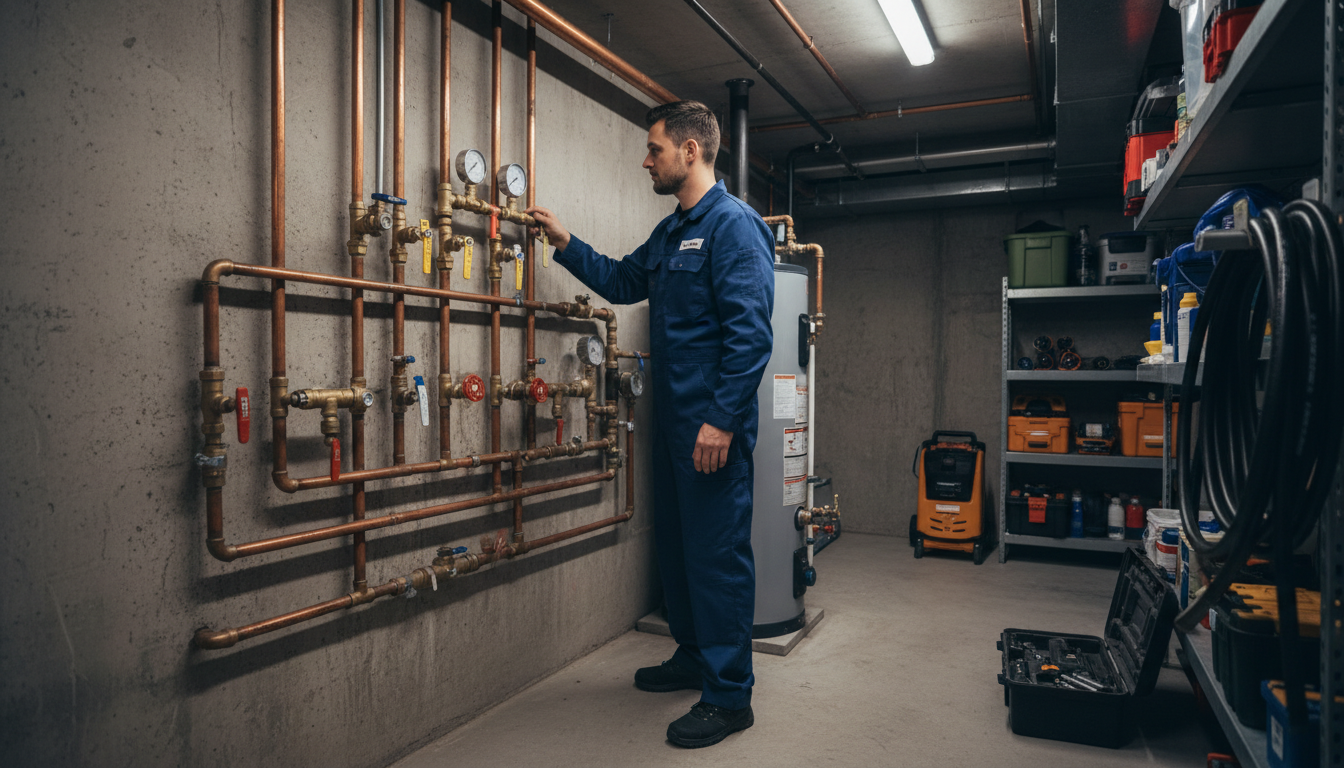
Plumbing regulations are designed to promote safety and prevent health hazards. They ensure that plumbing systems are installed and maintained correctly, reducing the risk of leaks, water contamination, and other issues. For homeowners, adhering to these regulations is crucial to avoid fines and ensure the safety of their household.
Key Components of Ohio's Plumbing Code
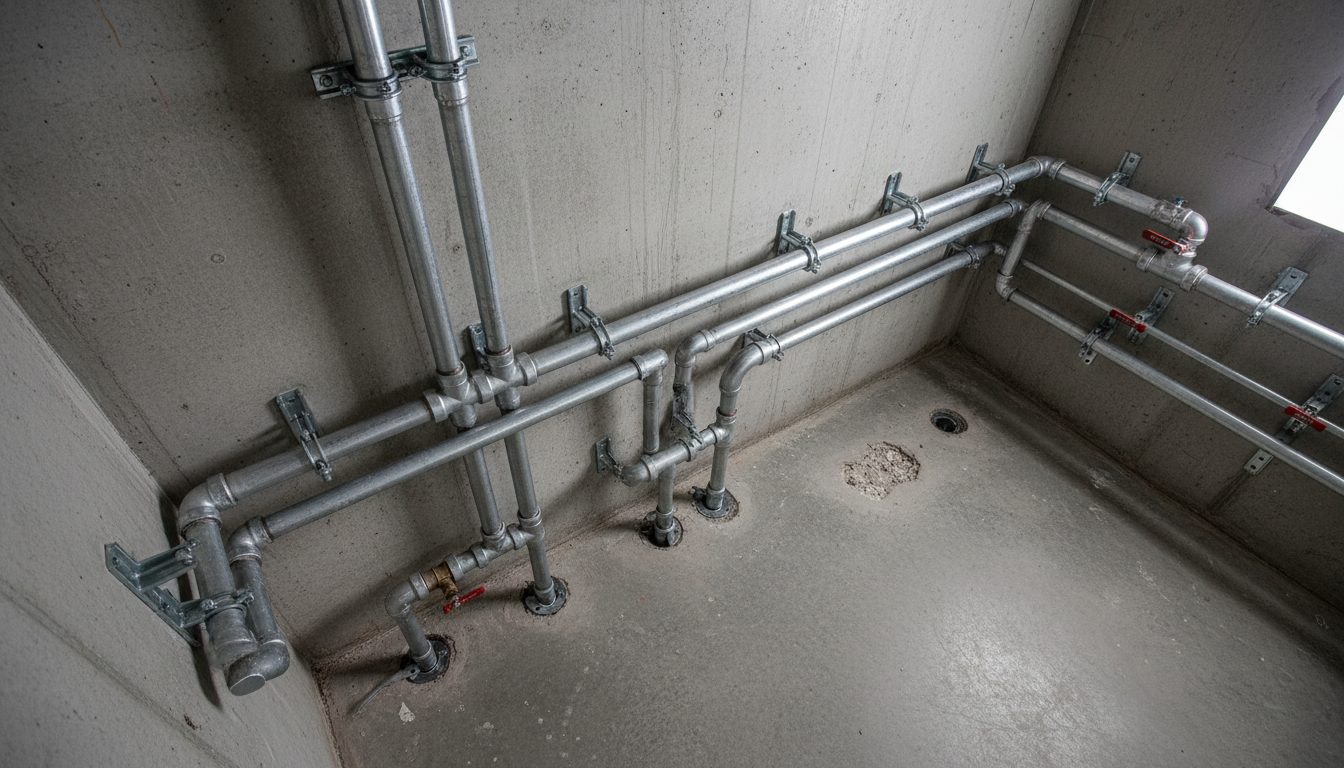
Ohio's plumbing code covers several essential areas, including water supply, drainage, and sanitation. Homeowners need to be aware of specific requirements for pipe materials, fixture installations, and backflow prevention. Understanding these components can help you make informed decisions during renovations or repairs.
Obtaining Permits and Inspections
Before starting any plumbing work, homeowners must obtain the necessary permits from their local building department. Permits ensure that all work complies with state regulations and standards. Additionally, inspections are required at various stages of the project to verify compliance and address any issues promptly.
Steps to Obtain a Plumbing Permit
- Submit a detailed plan of the proposed work to the local building department.
- Pay the applicable fees for the permit application.
- Schedule inspections at key stages of the project.
Working with Licensed Professionals
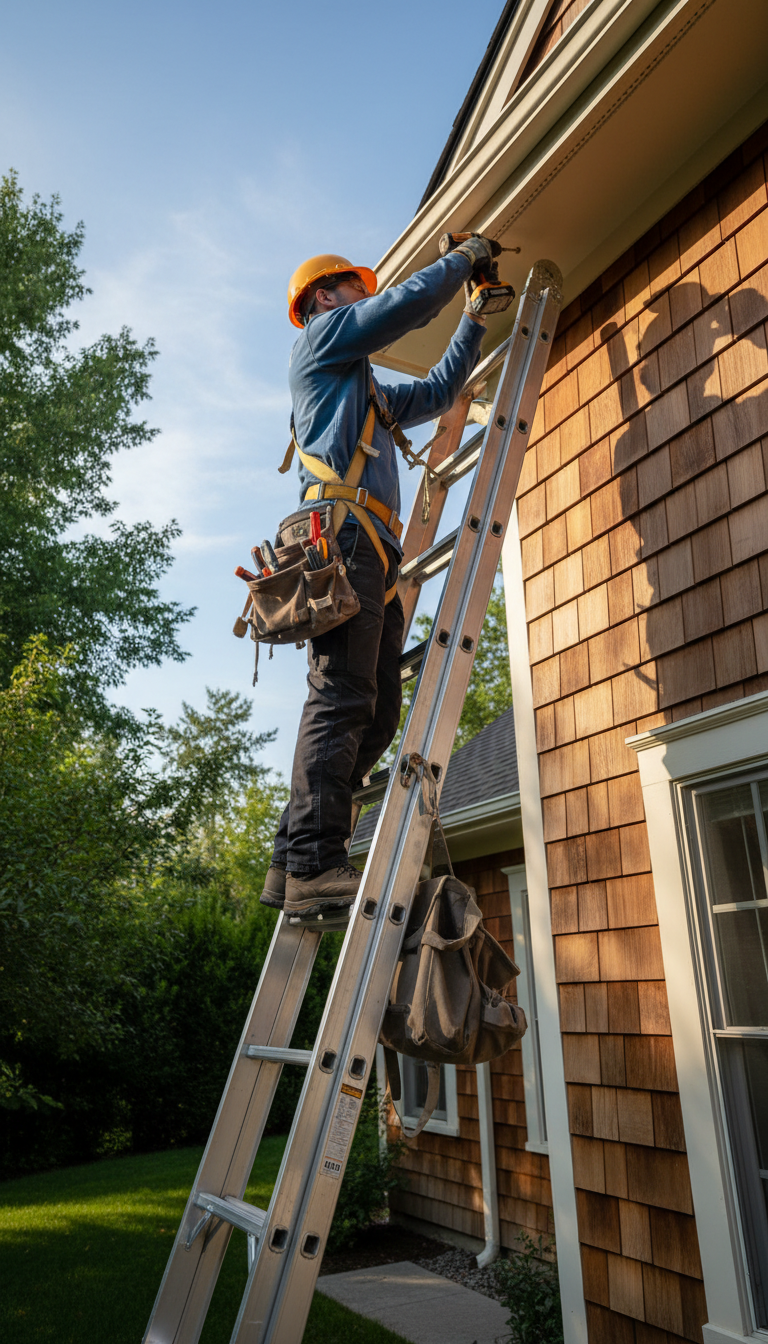
Hiring a licensed plumber is not only a requirement but also a smart choice for homeowners. Licensed professionals are well-versed in Ohio's plumbing regulations and have the expertise to handle complex tasks. This reduces the risk of non-compliance and ensures high-quality workmanship.
Benefits of Hiring Licensed Plumbers
- Compliance with local and state plumbing codes.
- Expertise in identifying and solving potential issues.
- Assurance of quality work and reduced liability.
Common Plumbing Issues and Solutions
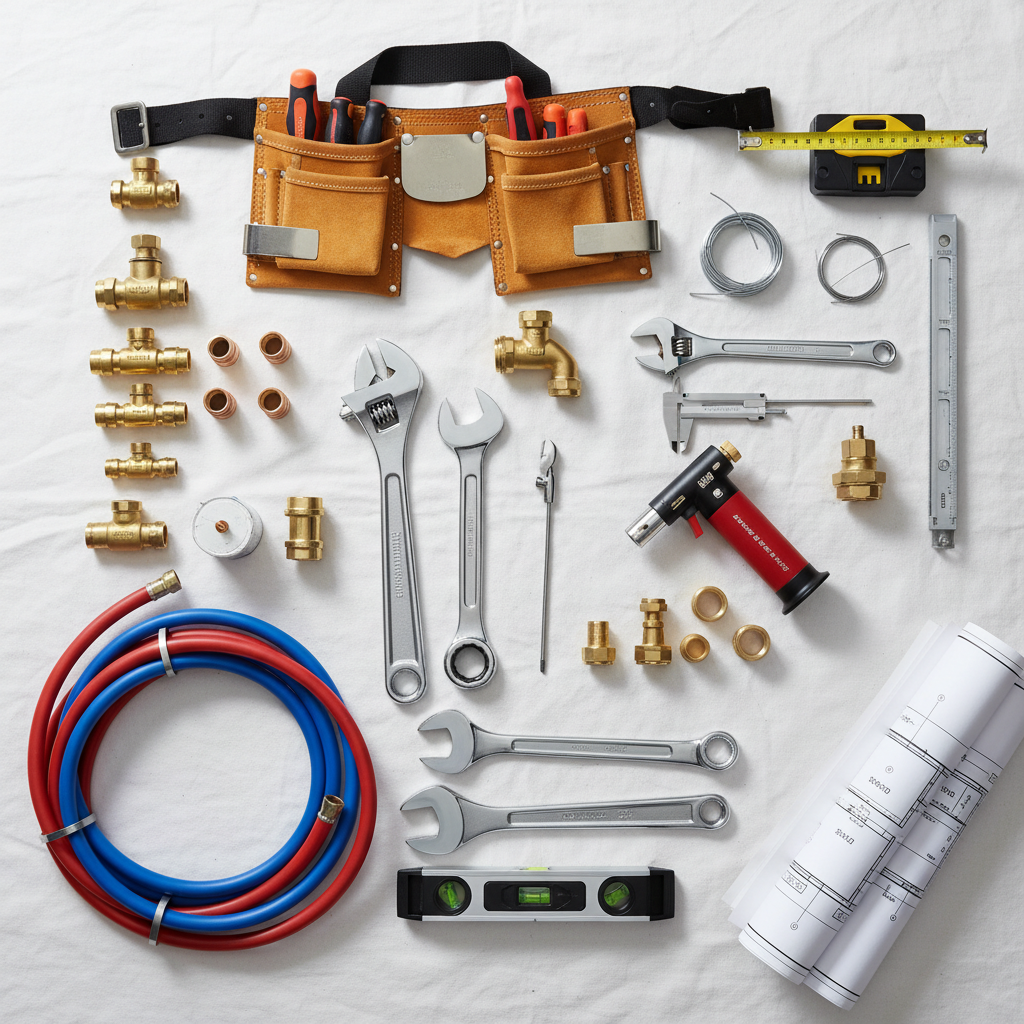
Ohio homeowners often face common plumbing problems such as leaky faucets, clogged drains, and low water pressure. Addressing these issues promptly is crucial to prevent further damage and ensure the smooth operation of the plumbing system.
For minor issues, homeowners can explore DIY solutions, but for more complex problems, it's recommended to seek professional assistance. Regular maintenance and inspections can also help in identifying potential issues early and extending the lifespan of your plumbing system.