Preparing Your Plumbing for Winter: An Ohio Homeowner's Checklist
HG
Inspect and Insulate Pipes
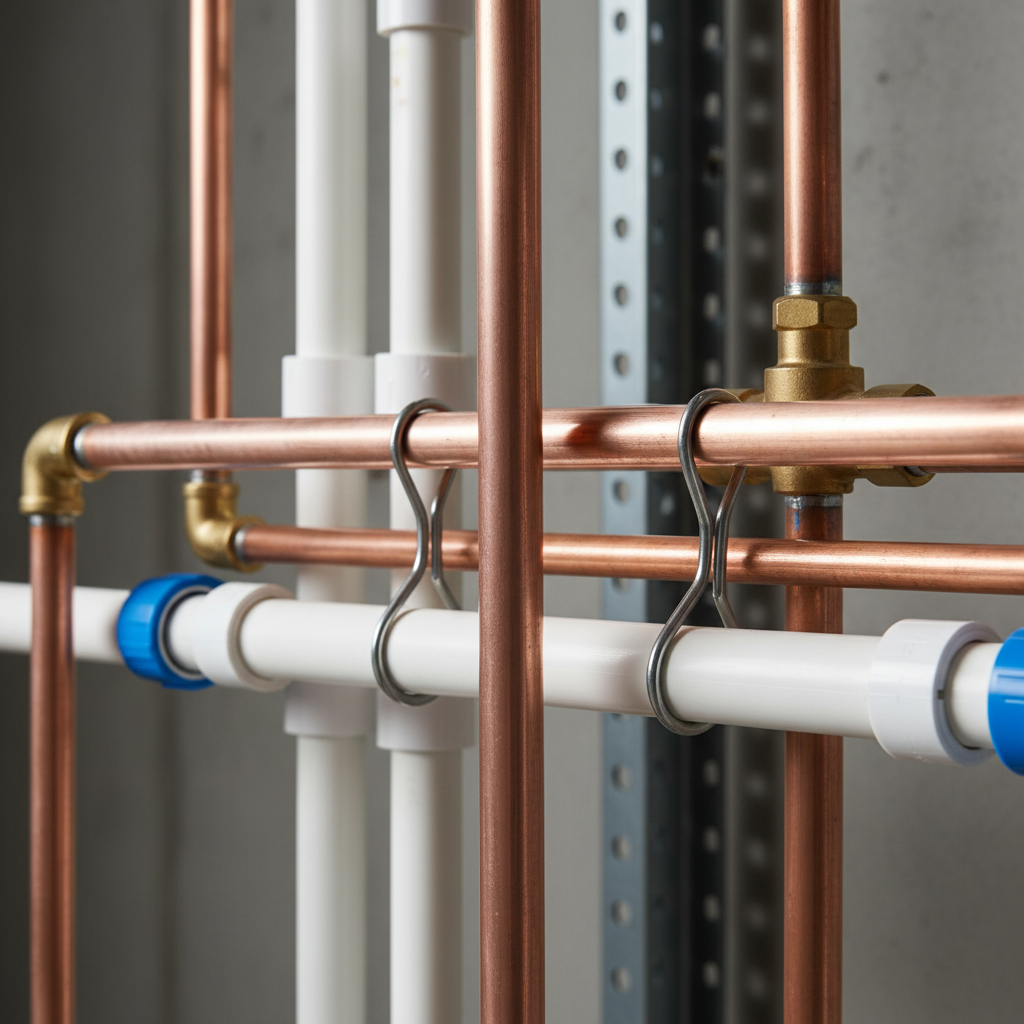
As winter approaches in Ohio, ensuring your plumbing is ready for the cold is crucial. Start by inspecting all exposed pipes for any signs of wear or damage. Pay special attention to areas where pipes are located in unheated spaces like basements, garages, or crawl spaces. **Insulation** is key to preventing frozen pipes. Use pipe sleeves or heat tape to wrap vulnerable pipes, providing an extra layer of protection against the cold.
Seal Gaps and Leaks
Check for any gaps around windows, doors, and where pipes enter your home. Even small cracks can let in cold air, increasing the risk of frozen pipes. Use caulk or weatherstripping to seal these gaps and keep the warmth inside. Additionally, repair any leaks promptly. A small drip can turn into a major issue if it freezes and expands.
Prepare Outdoor Faucets
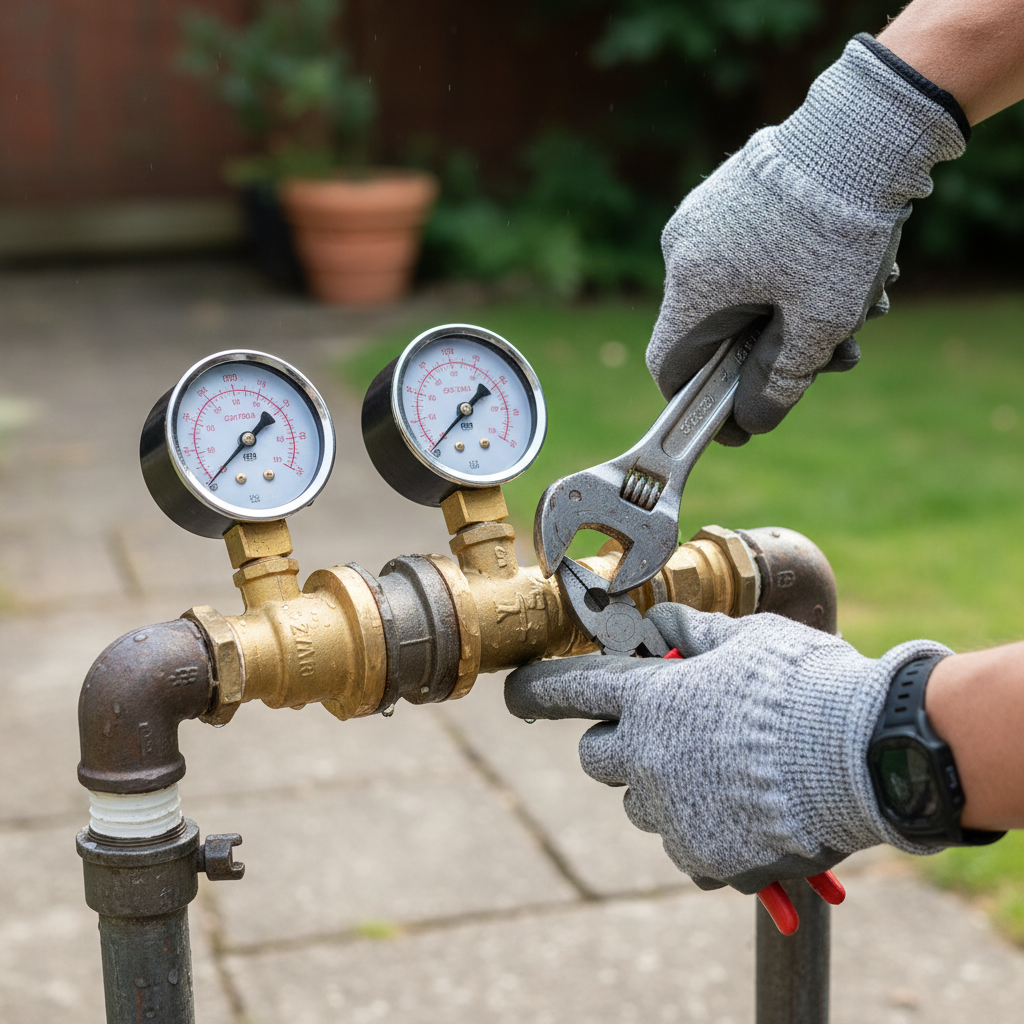
Outdoor faucets are particularly susceptible to freezing. To prepare them for winter, disconnect and store garden hoses. **Drain** the faucets and consider installing a faucet cover for added protection. If your home has a shut-off valve for outdoor faucets, turn it off and open the faucet to allow any remaining water to drain out.
Maintain Your Water Heater
Your water heater works overtime during the winter months. To ensure its efficiency, flush the tank to remove sediment buildup. This not only improves heating efficiency but also extends the lifespan of the unit. Set the thermostat to a safe temperature, usually around 120 degrees Fahrenheit, to provide hot water without risking scalding.
Keep Indoor Temperatures Steady
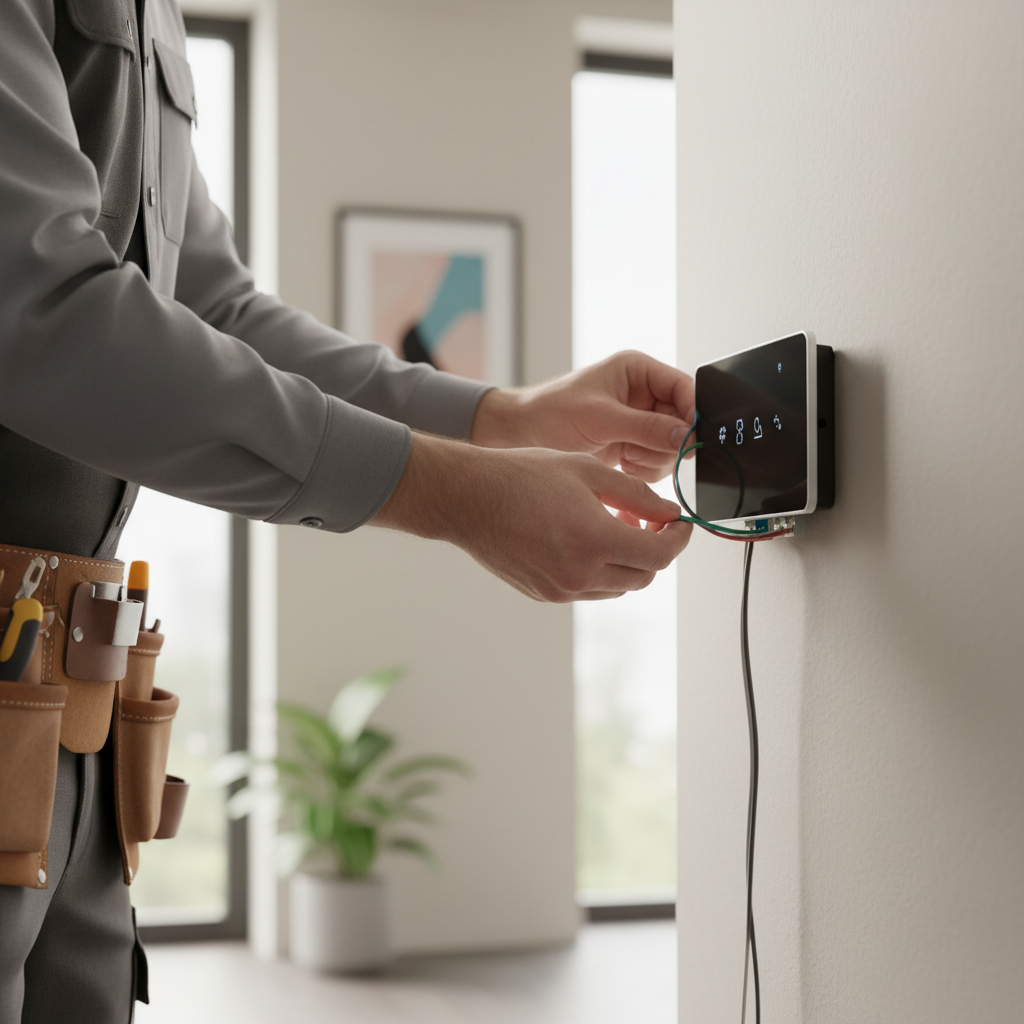
Maintaining a consistent indoor temperature helps prevent pipes from freezing. Even when you're not home, keep the thermostat set to at least 55 degrees Fahrenheit. Open cabinet doors under sinks to allow warm air to circulate around the pipes. This simple step can be a lifesaver during particularly cold spells.
Know the Location of Your Main Shut-off Valve
In case of an emergency, knowing where your main water shut-off valve is located can prevent extensive water damage. Ensure it’s easily accessible and educate all household members on how to turn it off. Regularly check the valve to ensure it functions properly.
Consider Professional Assistance
If you're unsure about any aspect of winterizing your plumbing, consider hiring a professional plumber. They can provide a thorough inspection and address any potential issues you might overlook. This investment can save you from costly repairs down the line.
By following this checklist, Ohio homeowners can enjoy peace of mind knowing their plumbing is prepared to withstand the harsh winter weather. Take action now to protect your home and avoid the headaches of frozen pipes and water damage.