How to Unclog Your Drain: DIY Tips from Expert Plumbers
HG
Understanding the Causes of Clogged Drains
Clogged drains are a common household issue that can cause a lot of inconvenience. Understanding the common causes can help you prevent future clogs. Hair, soap scum, food particles, and grease are frequent culprits. When these materials accumulate over time, they restrict water flow, leading to blockages.
It's essential to perform regular maintenance to avoid these issues. Simple practices like using a drain cover can be highly effective in preventing hair and other debris from entering your pipes. Additionally, avoid pouring grease or coffee grounds down the sink, as these can solidify and cause stubborn clogs.
DIY Methods to Unclog Your Drain
Using Boiling Water
One of the simplest ways to unclog a drain is by using boiling water. This method is effective for minor blockages caused by soap or grease. Here's how to do it:
- Boil a kettle of water.
- Carefully pour the boiling water directly into the drain.
- Repeat this process two to three times if necessary.
This method works best for metal pipes and should be avoided for PVC pipes as the heat can loosen joints.
Baking Soda and Vinegar
This classic combination is not just for science experiments; it's a powerful cleaning agent. Follow these steps:
- Pour half a cup of baking soda down the drain.
- Follow with half a cup of vinegar.
- Cover the drain with a plug and let the mixture sit for 15 minutes.
- Rinse with hot water.
When to Use a Plunger
A plunger is a simple yet effective tool for unclogging drains. It's especially useful for blockages caused by larger debris. To use a plunger effectively:
- Ensure there's enough water in the sink or tub to cover the plunger's cup.
- Place the plunger over the drain, ensuring a tight seal.
- Push down firmly and pull up sharply, repeating several times.
If the water starts to drain, you've likely dislodged the blockage.
Dealing with Stubborn Clogs
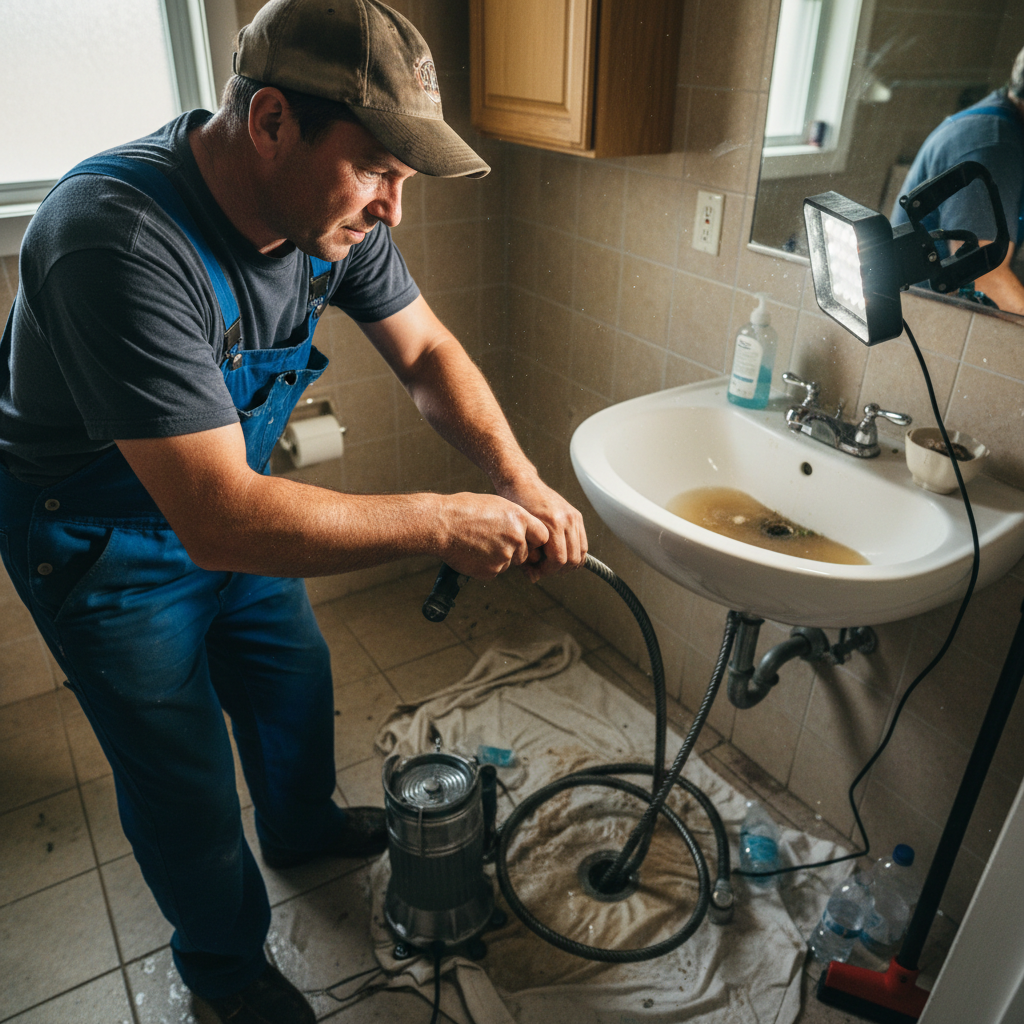
Sometimes, clogs can be more persistent. In these cases, a plumber's snake or auger can be used. This tool is designed to reach deep into pipes and break up or retrieve the obstruction. While it's a bit more advanced, it's a worthwhile investment for those who frequently encounter clogs.
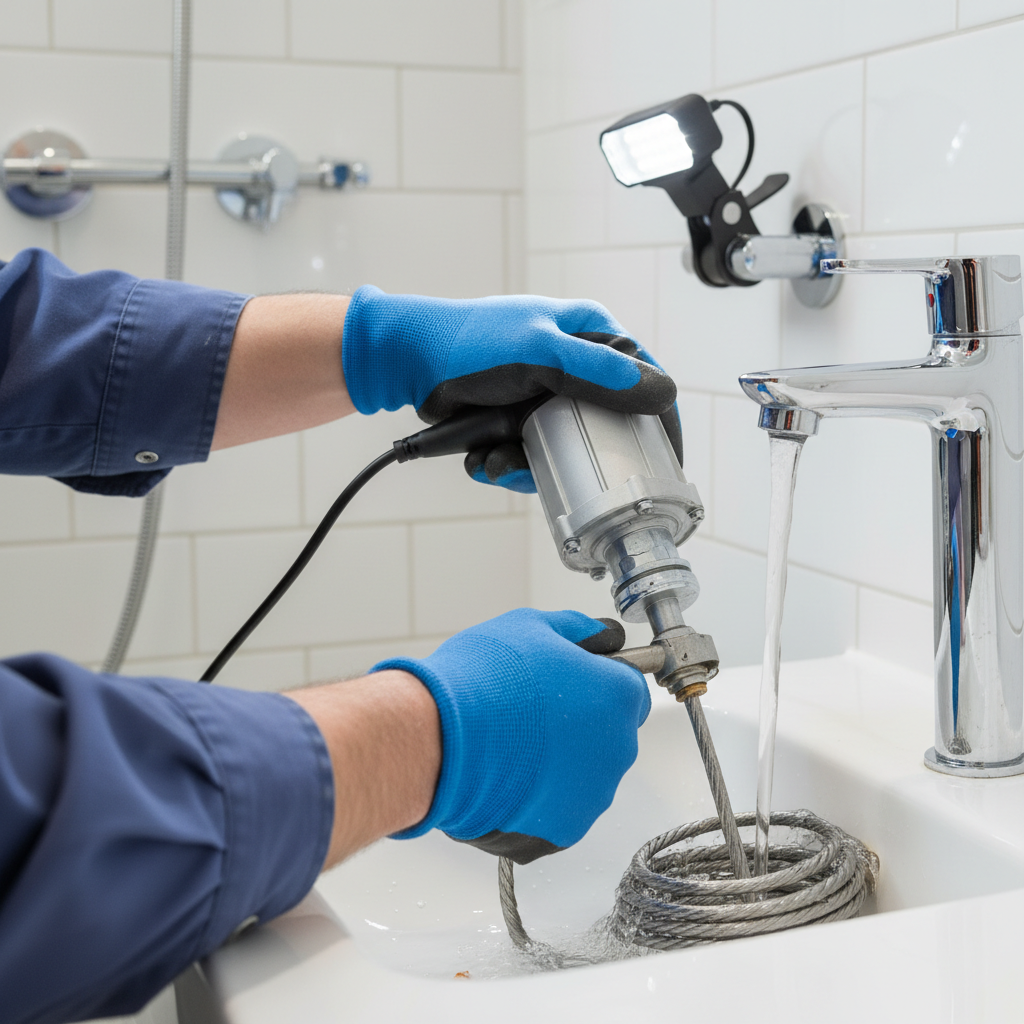
Insert the snake into the drain and turn the handle to push it further down the pipe. Once you feel resistance, rotate the snake to break up the clog. Slowly retract the snake, and run water to see if the drain is clear.
Preventing Future Clogs
Preventive measures are key to maintaining a clog-free home. Regularly clean your drains with a combination of baking soda and vinegar to prevent buildup. Additionally, consider installing a mesh screen over drains to catch hair and debris.
For kitchen sinks, avoid disposing of food scraps directly into the drain. Instead, use a compost bin or garbage disposal for safe waste management.

By taking these steps, you'll reduce the likelihood of facing stubborn clogs and maintain a smooth-flowing drainage system in your home.