How to Prepare Your Pipes for Winter in Ohio
HG
Understanding the Importance of Winterizing Your Pipes
As the chilly Ohio winter approaches, safeguarding your plumbing should be a top priority. Frozen pipes can lead to costly repairs and significant water damage. By taking the right precautions, you can ensure your home remains safe and dry throughout the season.
Winterizing your pipes involves a series of steps designed to keep them from freezing. This process not only prevents damage but also helps maintain the efficiency of your plumbing system. Let's explore how you can effectively prepare your pipes for the winter months.
Insulate Your Pipes
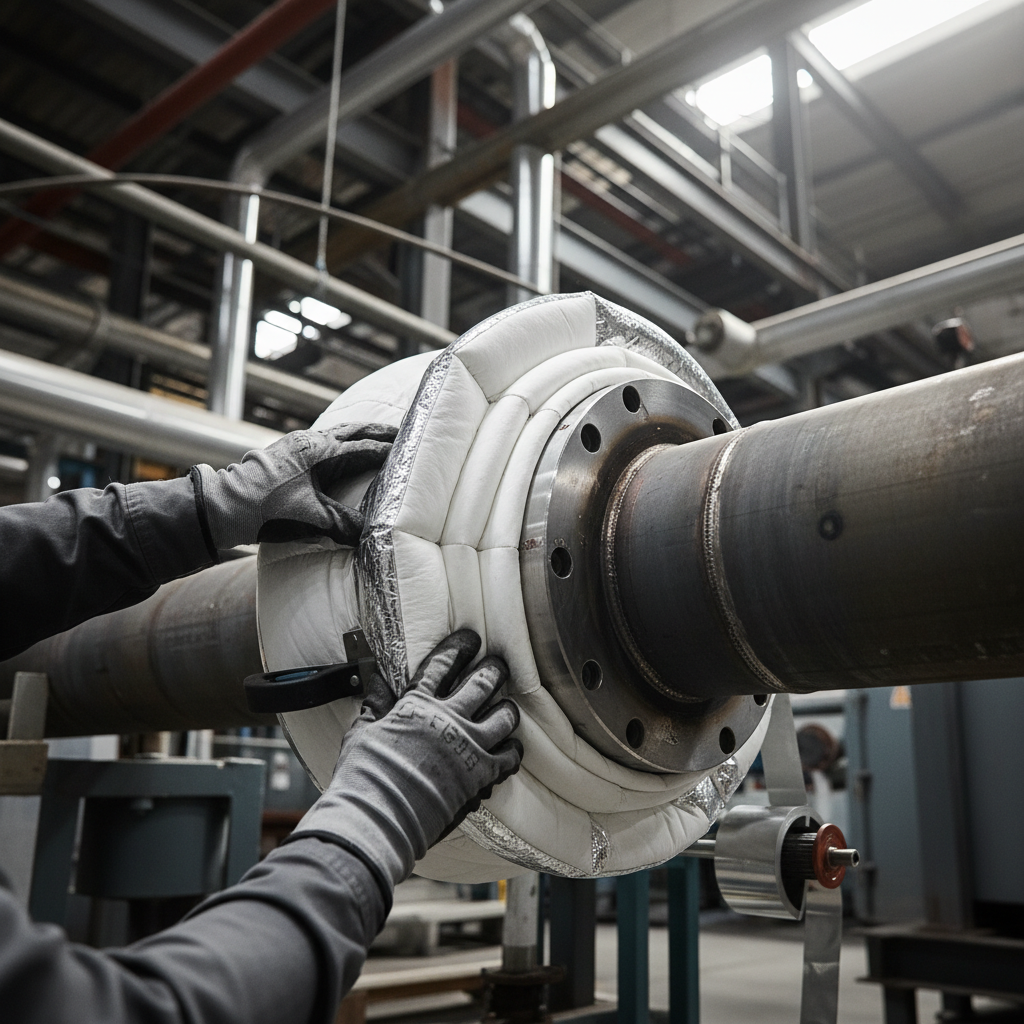
One of the simplest and most effective ways to prevent pipes from freezing is to insulate them. You can use foam pipe insulation, which is both affordable and easy to install. Pay special attention to pipes located in unheated areas such as basements, attics, and garages.
Additionally, consider using heat tape or heat cables for pipes that are particularly vulnerable to freezing. These products can provide extra warmth and protection during the coldest months.
Seal Gaps and Cracks
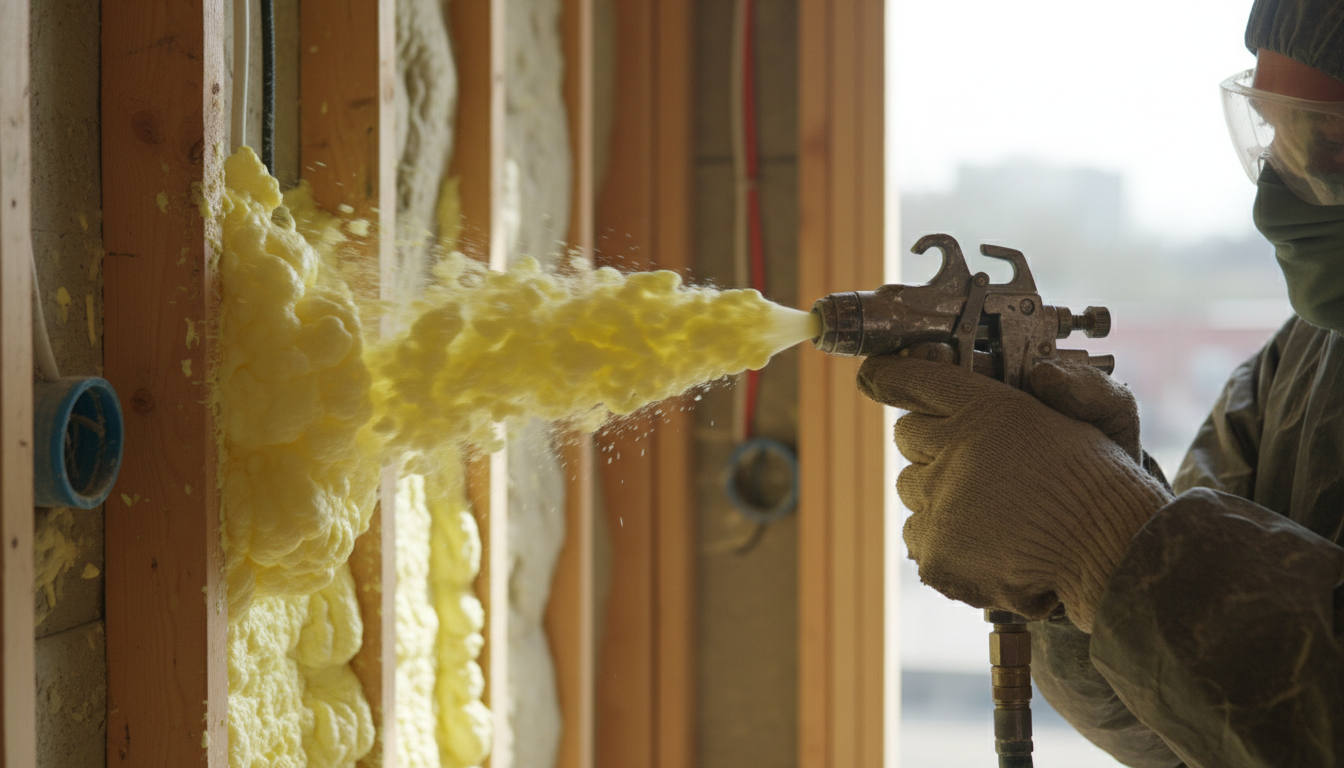
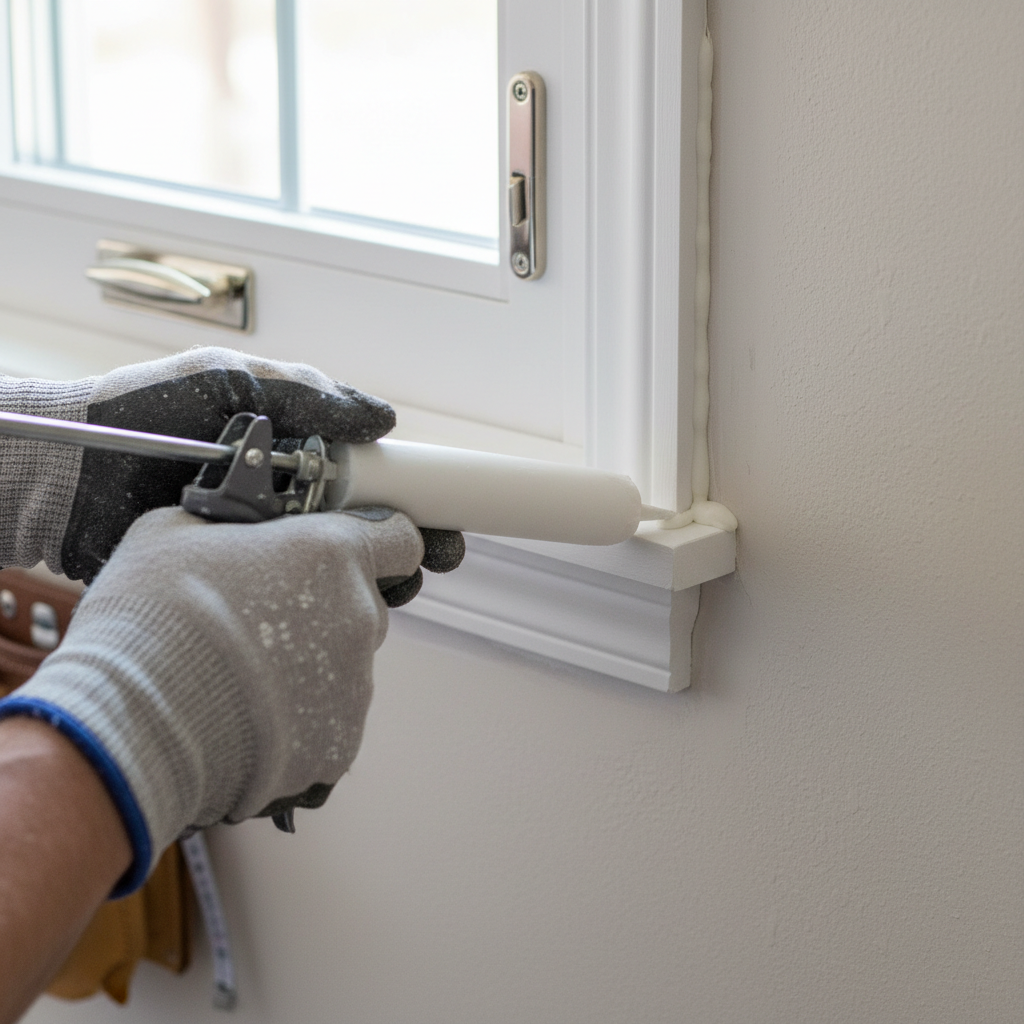
Cold air can seep into your home through gaps and cracks, increasing the risk of frozen pipes. Inspect your home for any openings around windows, doors, and the foundation. Use caulk or weatherstripping to seal these areas and keep the cold out.
Pay close attention to areas where pipes enter or exit your home. Ensuring these points are well-sealed can make a significant difference in preventing freezing.
Keep Your Home Warm
Maintaining a consistent indoor temperature is crucial for protecting your pipes. Set your thermostat to a minimum of 55°F, even when you're away from home. This ensures that the ambient temperature is sufficient to prevent freezing.
If you have areas in your home that are particularly cold, consider using space heaters. However, always follow safety guidelines to avoid any hazards.
Let Faucets Drip
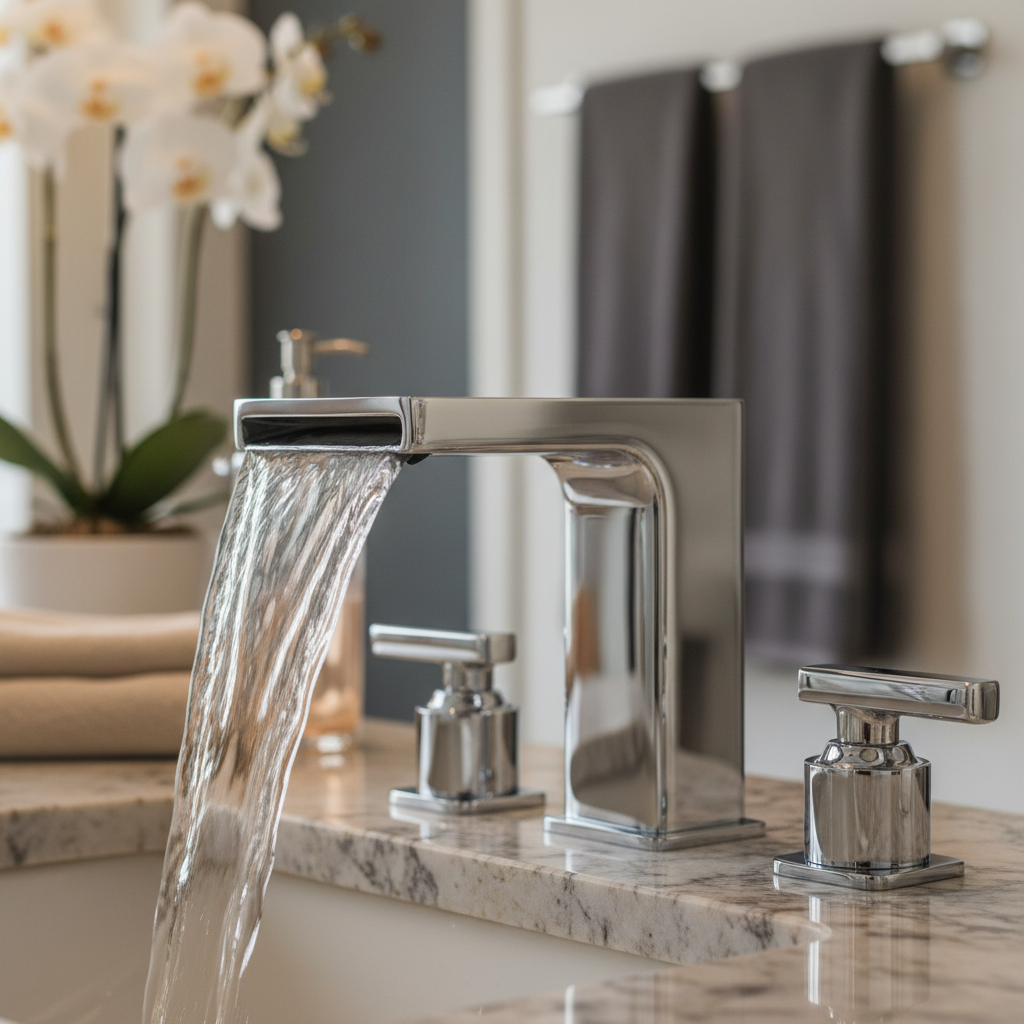
Allowing faucets connected to vulnerable pipes to drip slightly can relieve pressure and prevent freezing. This simple step keeps water moving through the system, reducing the risk of ice formation.
Focus on faucets that are farthest from your main water supply or located in unheated areas. A small, continuous trickle is all that's needed to maintain flow.
Drain Outdoor Water Systems
Outdoor hoses and irrigation systems are particularly susceptible to freezing. Disconnect and drain all hoses, and store them indoors until spring. Shut off the water supply to outdoor faucets and drain any remaining water.
For sprinkler systems, ensure they are properly winterized by following the manufacturer's instructions or hiring a professional service.
Check for Leaks
Before winter sets in, thoroughly inspect your plumbing for leaks. Small leaks can lead to bigger problems if not addressed, especially in freezing conditions. Repair any leaks promptly to prevent water from freezing and expanding in your pipes.
Regular maintenance and inspections are key to keeping your plumbing in top shape throughout the winter.
Conclusion: Stay Proactive
By taking these preventive measures, you can enjoy peace of mind knowing that your pipes are well-protected against Ohio's harsh winter conditions. Being proactive not only saves you from potential headaches but also helps maintain the integrity of your home's plumbing system.
Remember, a little preparation goes a long way in ensuring a safe and warm winter season.