Expert Tips on Preventing Clogged Drains
HG
Understanding the Causes of Clogged Drains
Clogged drains are a common household issue that can lead to unpleasant odors and even damage to your plumbing system. Understanding the causes of these blockages is the first step in preventing them. Common culprits include hair, soap scum, and food particles that accumulate over time. By identifying these causes, you can take proactive measures to keep your drains clear.
In bathrooms, hair and soap are the primary offenders. In kitchens, grease and food scraps are the usual suspects. Regular maintenance and mindful usage can significantly reduce the risk of clogs.
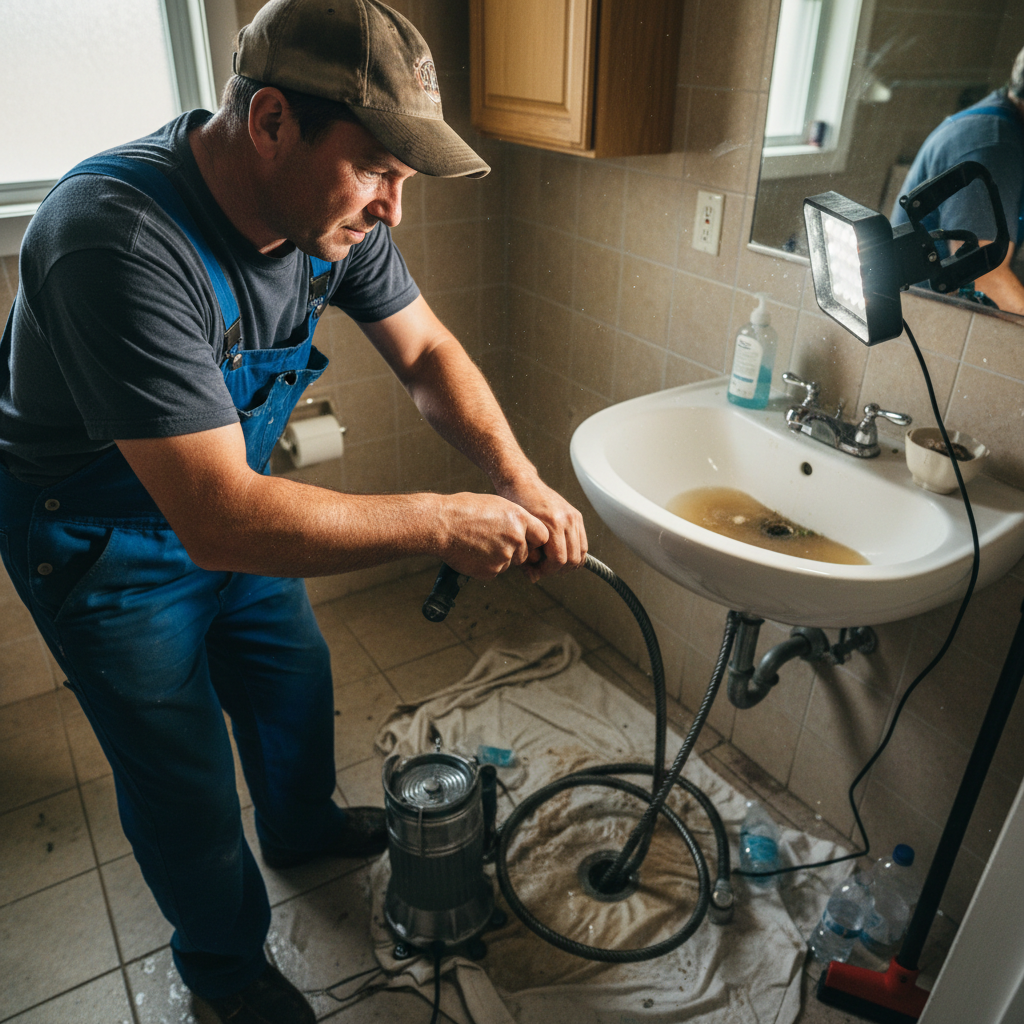
Regular Maintenance Tips
Regular maintenance is essential for preventing clogged drains. One of the simplest methods is to pour hot water down the drain weekly. This helps dissolve any grease or soap residue that may have accumulated. Additionally, consider using a natural solution of vinegar and baking soda monthly to break down buildup.
Investing in a drain guard can also be beneficial. These inexpensive tools catch hair and food particles before they enter the drain, making them a practical addition to your kitchen and bathroom sinks.
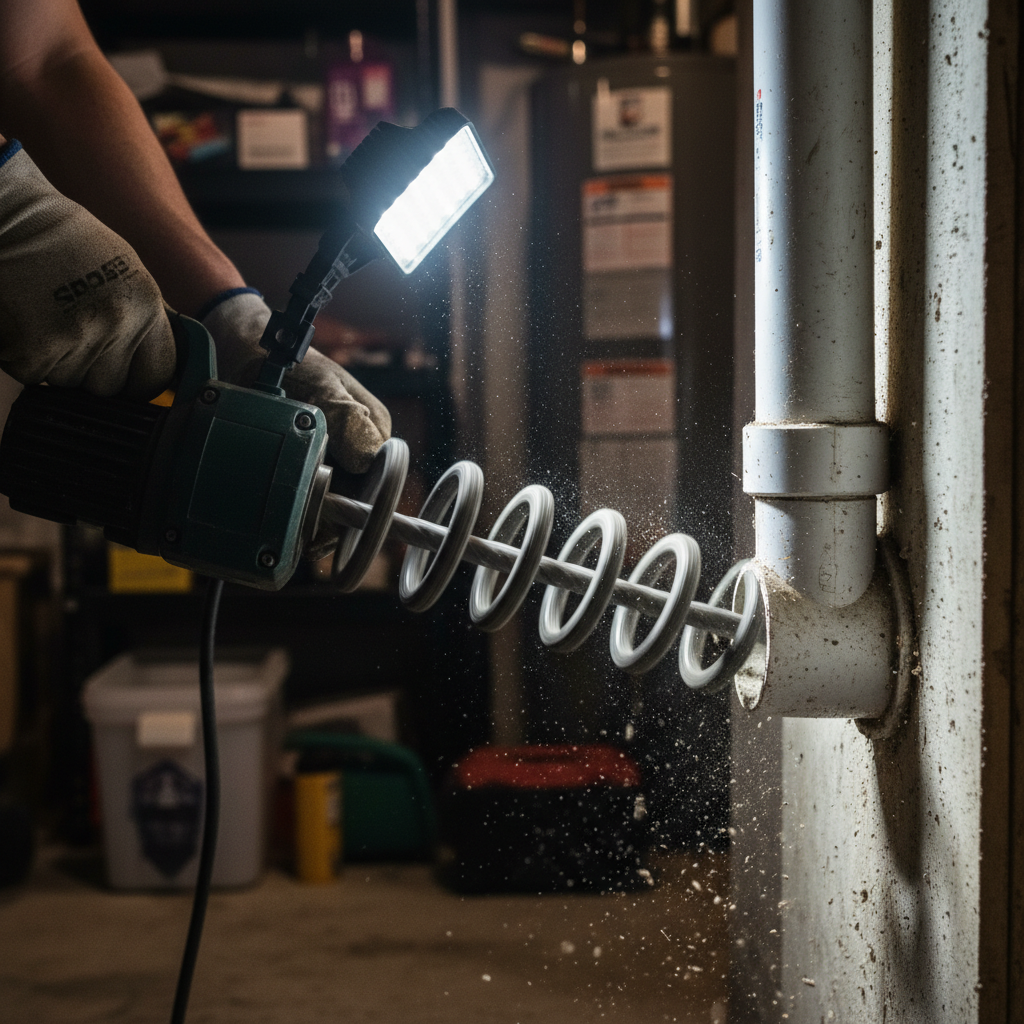
DIY Solutions for Minor Clogs
If you notice a slow drain, act quickly to prevent a complete blockage. A plunger can be effective for minor clogs. Ensure you have one designed for sinks, as toilet plungers may not provide a proper seal. Another DIY solution is to use a mixture of baking soda and vinegar. Pour half a cup of baking soda followed by half a cup of vinegar down the drain, wait 15 minutes, then flush with hot water.

When to Call a Professional
While DIY methods can handle minor clogs, persistent or severe blockages may require professional intervention. Signs that it's time to call a plumber include recurrent clogs, multiple clogged drains, or foul odors that don’t dissipate.
Professional plumbers have the tools and expertise to tackle stubborn clogs. They can also inspect your plumbing system for any underlying issues that may contribute to frequent blockages.
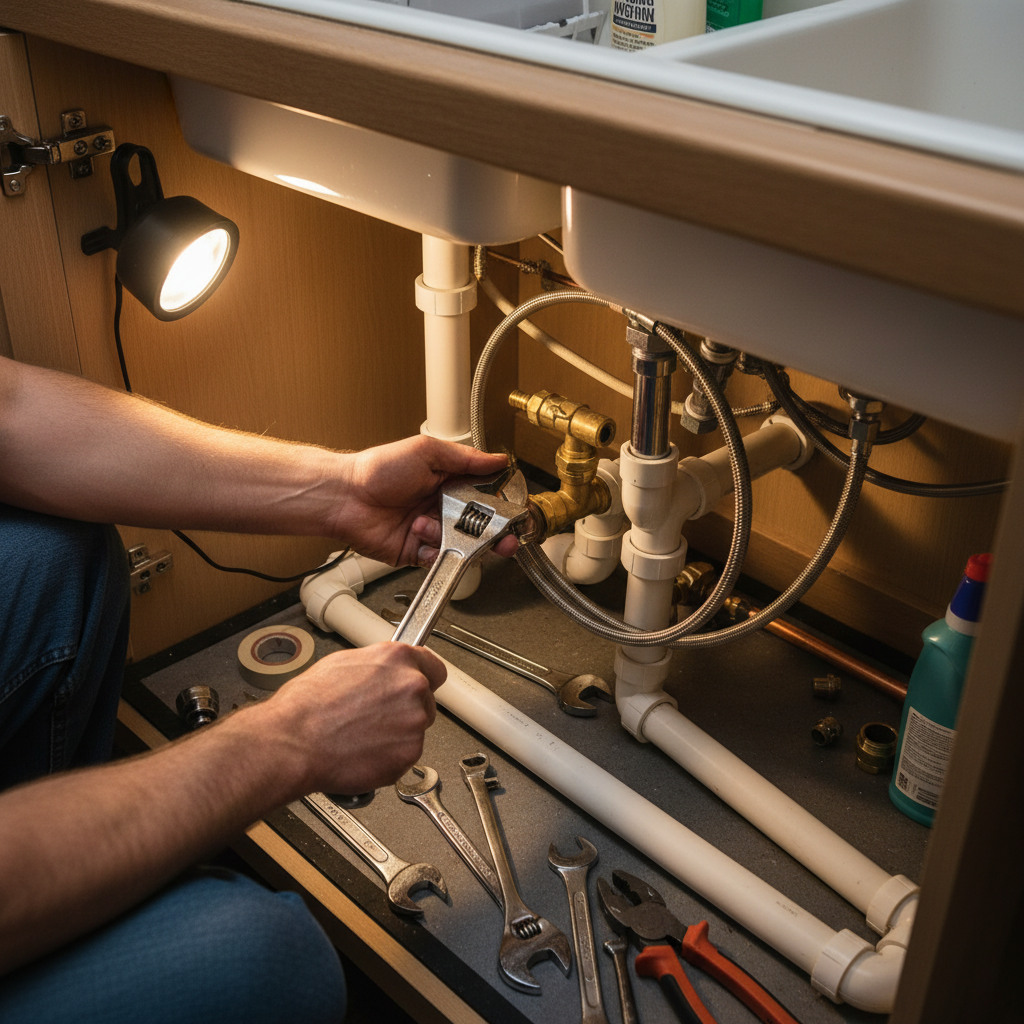
Long-Term Prevention Strategies
For long-term prevention, consider implementing some lifestyle changes. Avoid pouring grease or coffee grounds down the drain. Instead, dispose of them in the trash. For showers, regularly clean the drain cover to prevent hair buildup.
Educating all household members about what can and cannot go down the drains can also make a significant difference. Encourage practices such as wiping off plates before rinsing them and using a hair catcher in the shower.

Conclusion
Preventing clogged drains requires a combination of regular maintenance, mindful usage, and occasional professional help. By understanding the causes and implementing these expert tips, you can keep your drains clear and your plumbing system functioning smoothly. Remember, a little prevention goes a long way in avoiding the hassle and expense of dealing with clogs.