Expert Tips for Preventing Drain Clogs in Your Home
HG
Understanding the Causes of Drain Clogs
Drain clogs are a common issue in many homes, leading to inconvenience and potential damage. Understanding the root causes is the first step in prevention. Typically, clogs occur due to a buildup of foreign materials such as hair, grease, soap scum, and food particles. Over time, these substances accumulate and block the flow of water.
In bathrooms, hair and soap are the primary culprits, while in kitchens, grease and food scraps often cause issues. Being mindful of what goes down your drains can significantly reduce the risk of clogs.
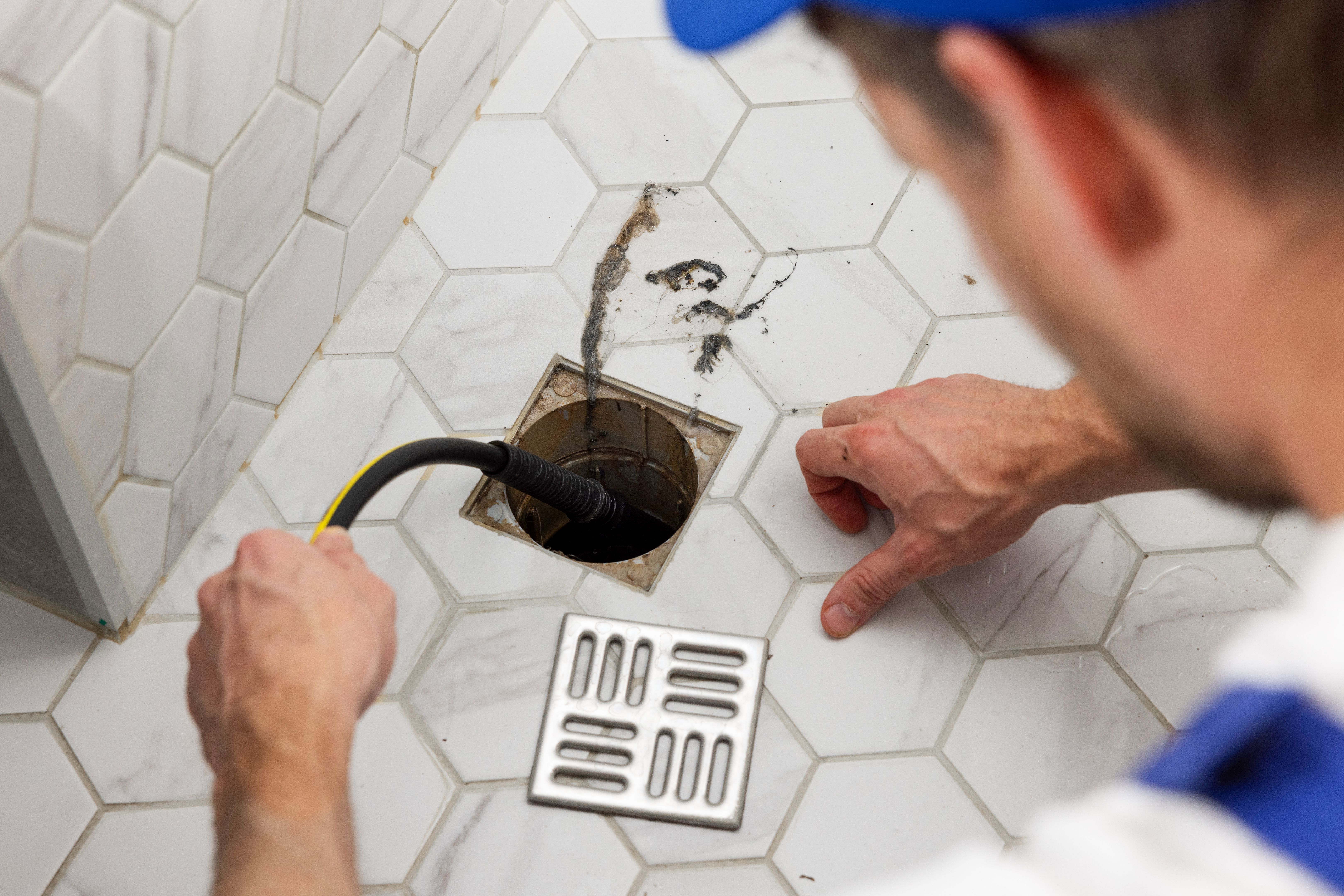
Preventive Measures for Bathroom Drains
To keep your bathroom drains clear, consider using a drain cover to catch hair and other debris. Regularly cleaning these covers can prevent blockages before they start. Additionally, avoid flushing non-biodegradable items such as wipes or sanitary products.
It's also beneficial to flush your drains with hot water once a week. This helps dissolve soap scum and other residues that might be clinging to the pipes.
Kitchen Drain Maintenance Tips
In the kitchen, be cautious about pouring grease or oil down the sink. Instead, collect it in a container and dispose of it properly. Using a strainer can also help catch food particles before they enter the pipes.
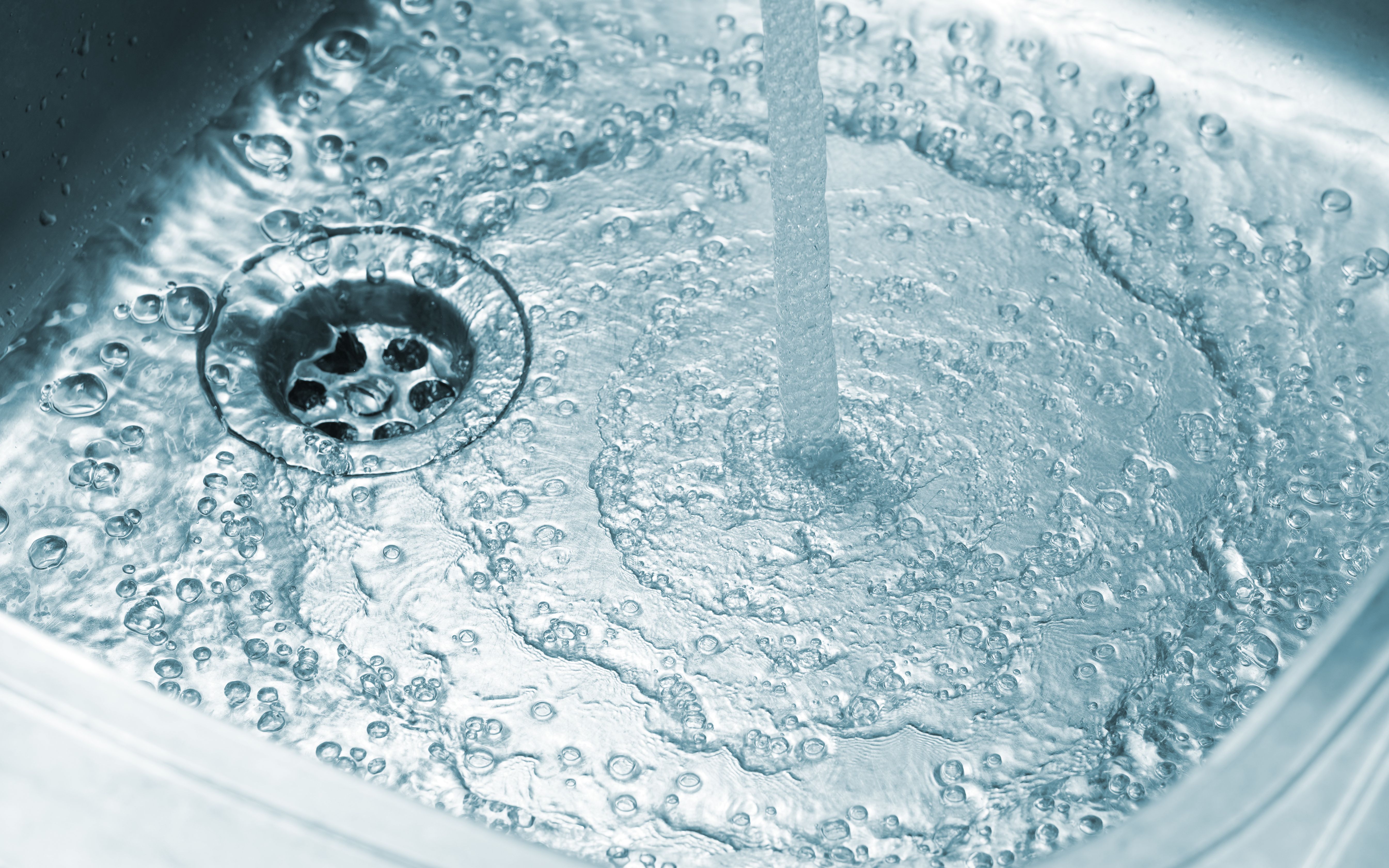
Running hot water and dish soap down the drain after use can help break down any grease that may have slipped through. This practice helps maintain a smooth flow in your kitchen plumbing.
The Importance of Regular Cleaning
Regular cleaning is crucial in preventing clogs. Consider using a natural solution of baking soda and vinegar to clean your drains monthly. This combination can break down buildup without the harsh effects of chemical cleaners.
Simply pour half a cup of baking soda followed by half a cup of vinegar down the drain. Let it sit for about 15 minutes, then flush with hot water. This method is both eco-friendly and effective.
When to Call a Professional
Despite your best efforts, some clogs may require professional intervention. If you notice persistent slow draining, unusual odors, or repeated blockages, it's time to call a plumber. They have the tools and expertise to address complex issues.
Regular professional inspections can also help identify potential problems before they become serious, saving you time and money in the long run.