DIY Plumbing Tips for Homeowners in Ohio
HG
Understanding Your Plumbing System
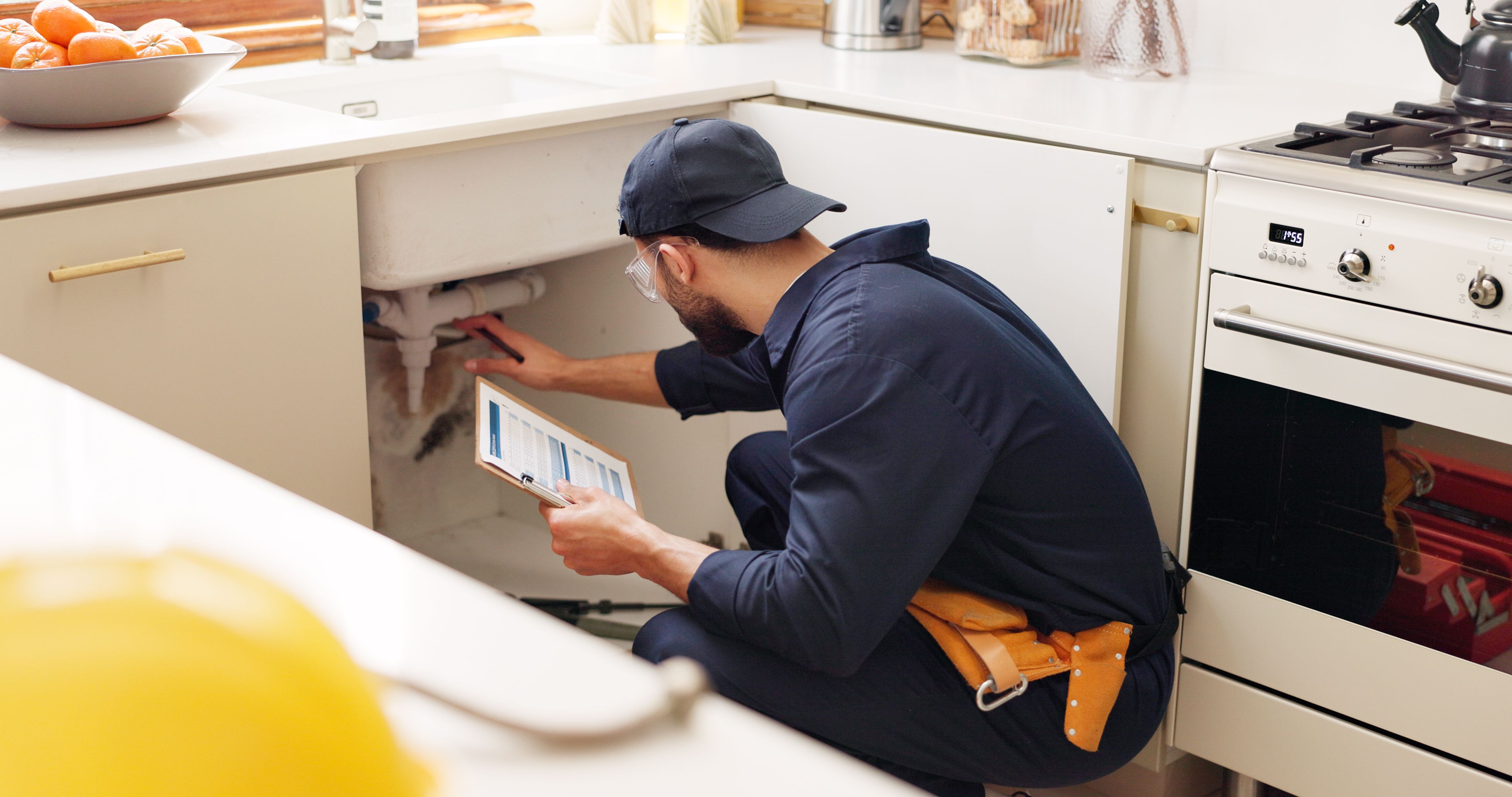
As a homeowner in Ohio, having a basic understanding of your plumbing system can save you time and money. Plumbing issues can arise at any moment, and knowing how to tackle minor problems can prevent them from escalating. Before diving into DIY repairs, familiarize yourself with the main components of your plumbing system, such as pipes, fixtures, and fittings.
Start by locating your main water shut-off valve. This valve is crucial in emergencies, such as a burst pipe, as it allows you to stop the water flow immediately. It's typically found in the basement or near the water meter. Understanding the layout of your plumbing system can help you diagnose issues more effectively.
Basic Tools for DIY Plumbing
Equipping yourself with the right tools is essential for tackling DIY plumbing projects. Here are some must-have tools for homeowners:
- Pipe Wrench: Useful for gripping and turning pipes.
- Plunger: Effective for unclogging toilets and drains.
- Plumber’s Tape: Helps seal pipe threads to prevent leaks.
- Adjustable Wrench: Versatile for various plumbing tasks.
Having these tools on hand can make handling minor plumbing issues much more manageable. Additionally, consider investing in a drain snake for more challenging clogs.
Fixing Common Leaks
Leaky faucets and pipes are not only annoying but can also lead to higher water bills. To fix a leaky faucet, start by turning off the water supply. Then, disassemble the faucet to inspect the washers and O-rings, which are often the culprits of leaks. Replacing these components is a simple and cost-effective solution.
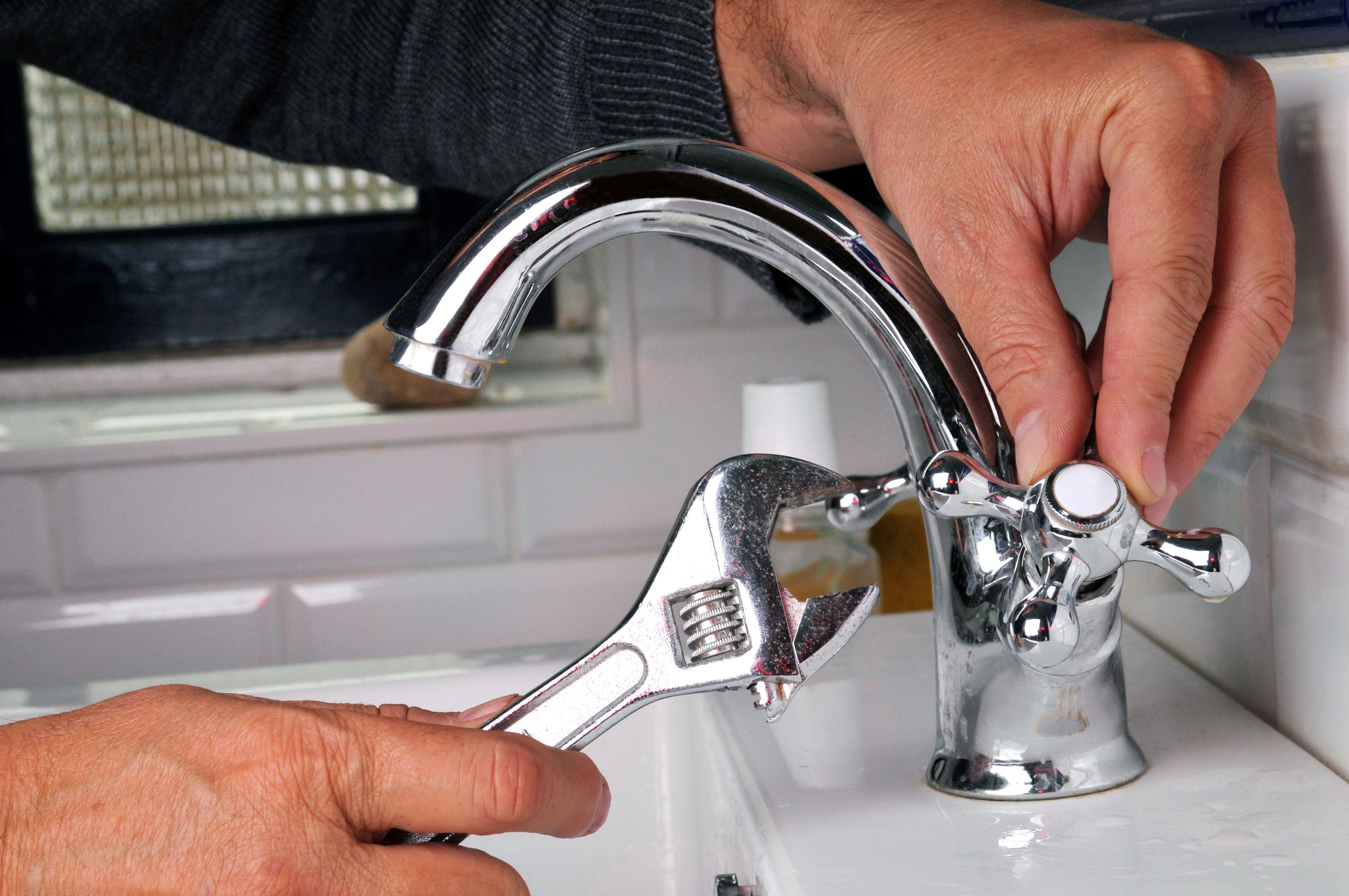
For minor pipe leaks, using plumber’s tape or a pipe patch kit can be a temporary fix until a more permanent solution is possible. Remember that while DIY fixes can be effective, persistent leaks may require professional intervention.
Unclogging Drains
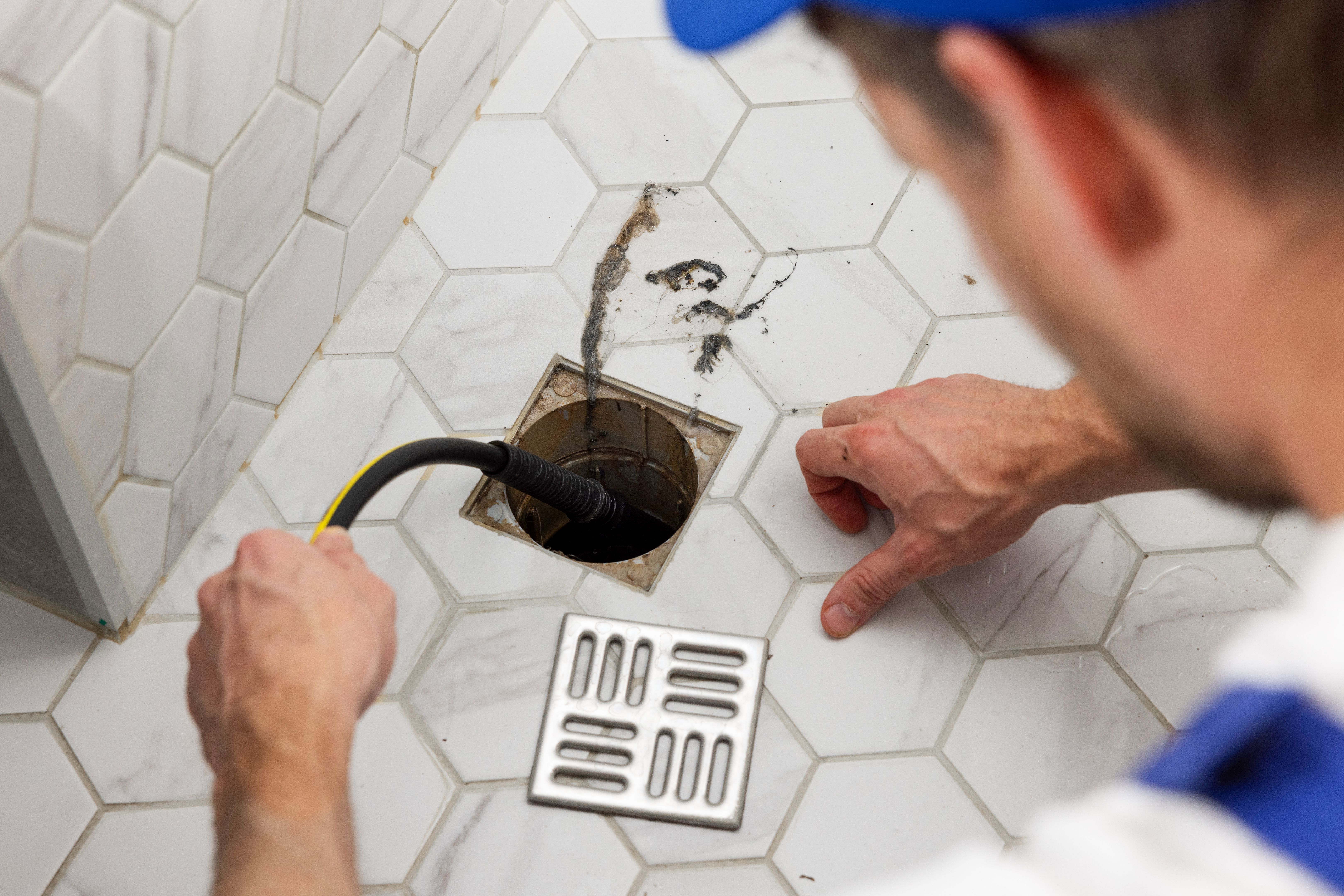
Clogged drains are a common issue in many homes. A plunger is often the first tool to try when dealing with a clogged sink or toilet. For more stubborn clogs, a drain snake or auger can be effective in removing blockages. Avoid using chemical drain cleaners, as they can damage pipes over time.
Regular maintenance can help prevent clogs. Consider using a drain cover to catch debris and regularly clean your drains with a mixture of baking soda and vinegar to keep them clear.
When to Call a Professional
While many plumbing issues can be handled with DIY techniques, there are situations where professional help is necessary. If you encounter major leaks, sewage backups, or water heater problems, it's best to contact a licensed plumber. These issues require specialized knowledge and tools to fix safely and effectively.
By understanding your plumbing system and knowing when to seek help, you can maintain your home’s plumbing efficiently. Remember, regular maintenance and timely repairs can prevent costly issues down the line.