Common Plumbing Myths Debunked: What Really Works
HG
When it comes to plumbing, there's no shortage of advice and tips circulating around. However, not everything you hear is accurate. In this post, we'll debunk some common plumbing myths and highlight what really works to keep your plumbing system in top shape.
Myth 1: Lemons Clean Your Garbage Disposal
Many people believe that putting a lemon in your garbage disposal will clean it. While lemons can help to mask odors, they don't actually clean the blades or the disposal itself. In fact, the acidity in lemons can potentially corrode metal parts over time.
Instead, use a mixture of ice and vinegar to clean your disposal. The ice helps to sharpen the blades, while the vinegar disinfects and removes odors effectively.
Myth 2: Running Water While Using the Disposal Helps
Another common belief is that running water while using the disposal will help waste go down smoothly. While it's true that running water can help, it won't prevent clogs if you're disposing of the wrong materials.
Avoid putting fibrous vegetables, grease, or large bones down the disposal. These items can cause blockages and damage the unit. Always use cold water, as it helps solidify any grease, making it easier to chop up and flush away.
Myth 3: All Clogs Can Be Fixed With Chemical Drain Cleaners
Chemical drain cleaners are often seen as a quick fix for clogs. However, these harsh chemicals can damage your pipes over time, especially if used frequently. They may also harm septic systems and the environment.
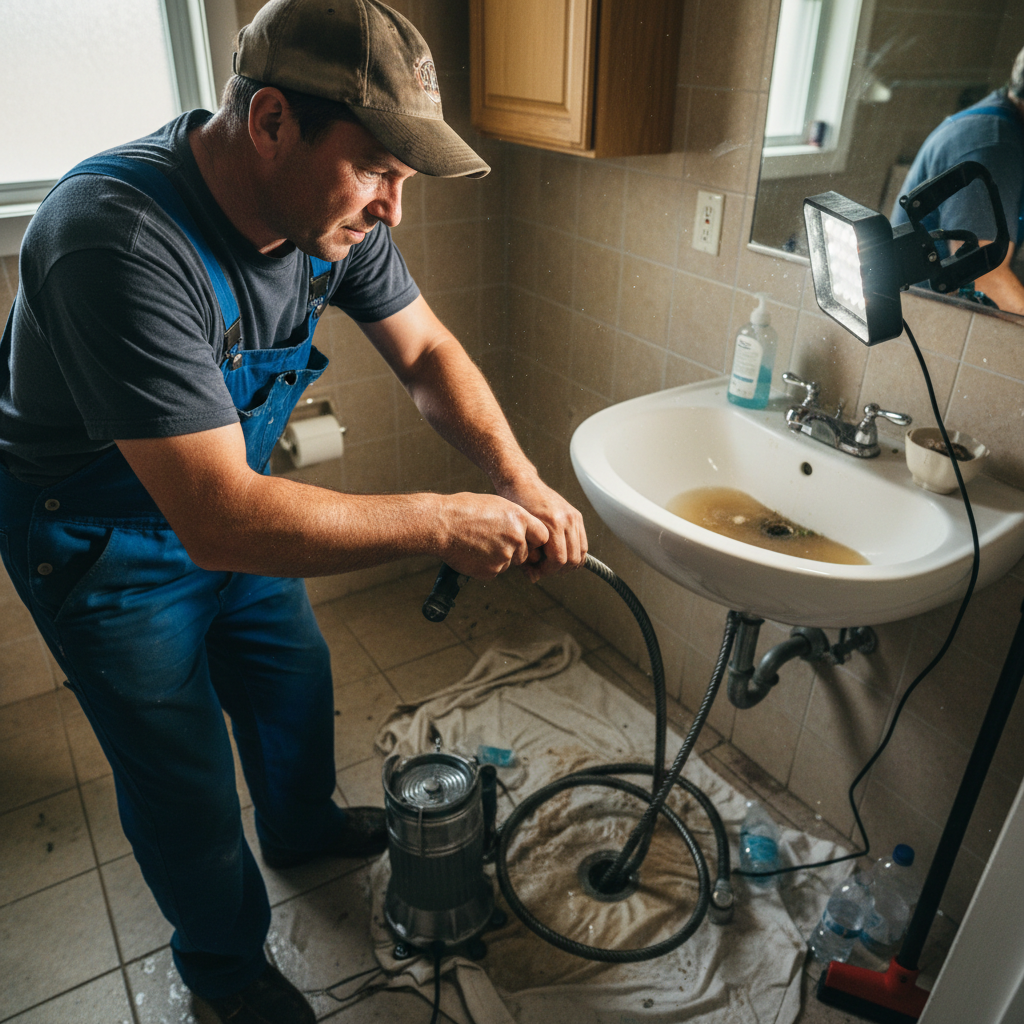
For stubborn clogs, it's better to use a plunger or a plumber's snake. These tools are more effective and won't harm your plumbing. For persistent issues, calling a professional plumber is the best course of action.
Myth 4: A Leaky Faucet Isn't a Big Deal
A dripping faucet may seem like a minor annoyance, but it can lead to significant water waste over time. Even a small leak can add up to hundreds of gallons a year, which can contribute to higher water bills and unnecessary environmental impact.
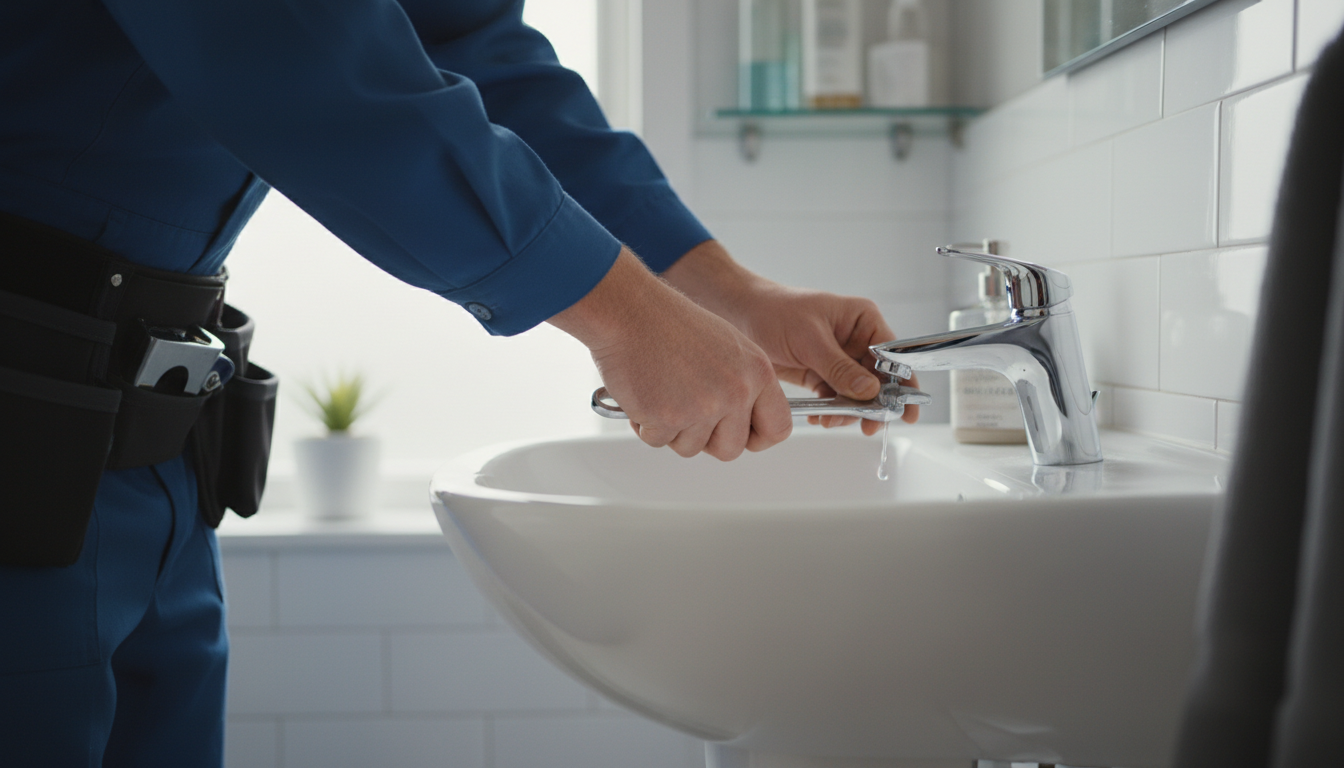
Repairing leaks promptly can save water and money. Often, fixing a leaky faucet is as simple as replacing a worn-out washer or a faulty O-ring.
Myth 5: Plumbing Fixtures Don't Require Maintenance
Some believe that once installed, plumbing fixtures don't need any maintenance. This is far from the truth. Regular maintenance can prolong the life of your plumbing system and prevent costly repairs.
Regularly inspecting pipes for leaks, cleaning aerators in faucets, and checking for signs of corrosion are simple tasks that can prevent bigger problems down the line.
By understanding these common myths and taking the right approach to maintain your plumbing, you can ensure a more efficient and reliable system in your home. Remember, when in doubt, it's always best to consult a professional plumber for advice and repairs.